Gear & Equipment
2 MIN READ
April 1, 2026
Why Finding The Right Grip Goes Way Beyond Sizing
Having the right grips can make a big difference in performance, and choosing the right one goes way beyond simply picking the suggested size.

*In Partnership With Golf Pride
In the world of golf club components, grips are often a forgotten piece of the puzzle. Sure, a lot of golfers worry about having the right shafts and the correct head model for their game, but you could argue that grips are equally, if not more important.
I mean, what good is a perfectly tuned car with 1000 horsepower if you have the wrong tires on it? And, because grips are the only connection you have between you and your clubs, it's critical that you have ones that maximize performance.
RELATED: It's Time To Get A Grip

Biggest Misconceptions
Like a lot of things in golf, old ways of thinking still permeate into the golfer's ideology and one of the most antiquated philosophies is that choosing the right grip comes down to hand size. That myth couldn't be further from the truth.
Choosing the right grip is all about how you hold the club and understanding what you need from your grips.
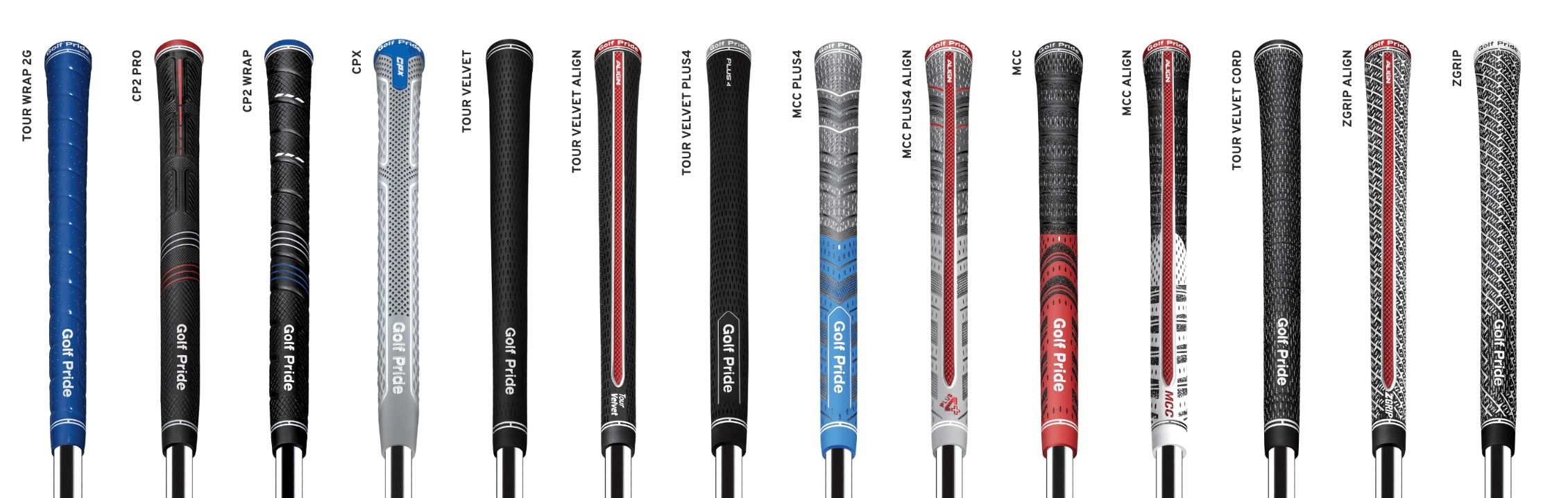
If you tend to grip the club more in your fingers a standard size grips will work pretty well in most cases. But if you tend to grip the club more into the palm of your hand, a larger grip can create a lot more comfort and stability. But, even then, thats just a baseline to help you truly select the one that feels best to you.
Next you have to think about texture and taper rate (the gradual narrowing toward the bottom of the grip).
Softer grips can help reduce vibration and grip pressure, while firmer grips (including ones with cord) can offer more torsional stability and greater feedback. Plus, grips that have a larger feel at the bottom hand can also help with equalizing grip pressure on both the top and bottom hands to reduce arm tension and can in some cases even increase speed and accuracy.
So if you need new grips this season and are looking to get the most from your game, then you need to rework your thinking to consider grips as an essential performance-driven part of your gear.
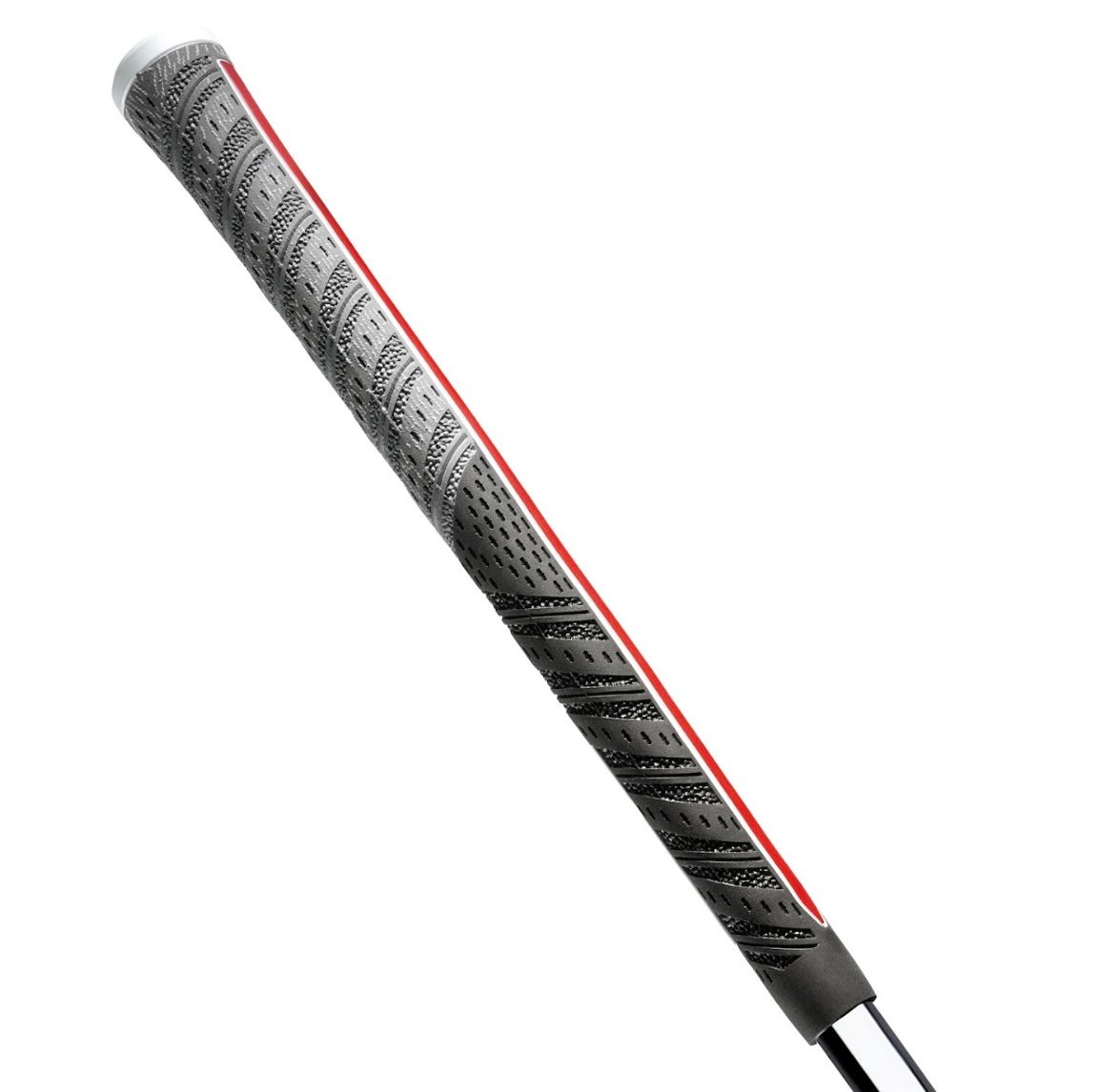
Golf Pride MCC Align MAX
With brushed cotton cord in the upper hand and performance rubber in the lower hand, it’s a hybrid grip that gives you top-to-bottom confidence.
$16
BUY NOW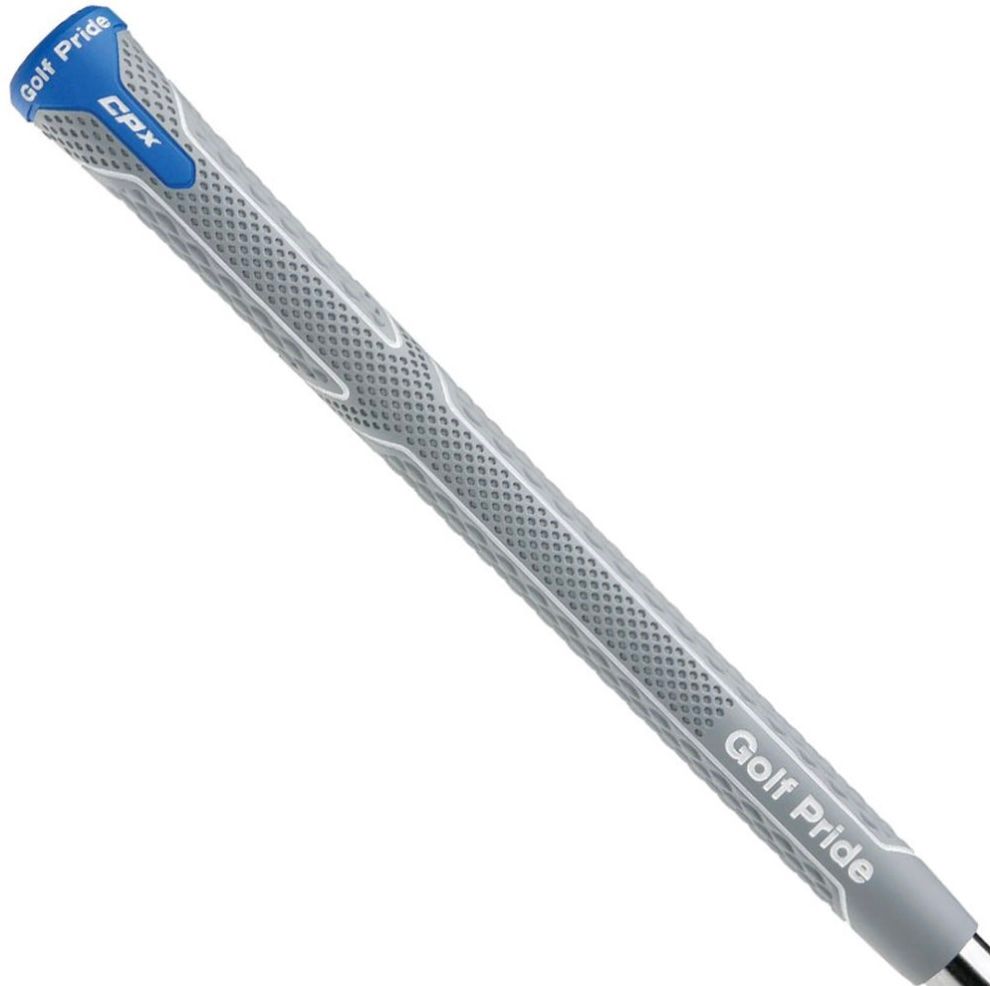
Golf Pride CPX
Golf Pride's softest performance rubber with a diamond-quilted pattern for less tension and more power.
$11
BUY NOW
JOIN OUR NEWSLETTER
Get our top stories in your inbox, including the latest drops in style, the need-to-know news in pro golf, and the latest episodes of Skratch’s original series.