Style
3 MIN READ
July 20, 2026
I Wasn't Actually Trying to Fix Tommy Fleetwood's Hat
The hats were intentionally ridiculous. The conversation they started wasn't.
After a frustrating weekend watching The Open, Tommy Fleetwood's hat finally sent me over the edge.
Not because of Tommy. Because it represented something much bigger.
Like a lot of people, I walked away feeling like the viewing experience wasn't great. The biggest conversation throughout the week wasn't who was leading the tournament. It was how little golf we actually got to watch. Commercials. Playing-through. Cutaways. It felt like everything was competing with the golf itself.
At the same time, I couldn't help but notice something else.
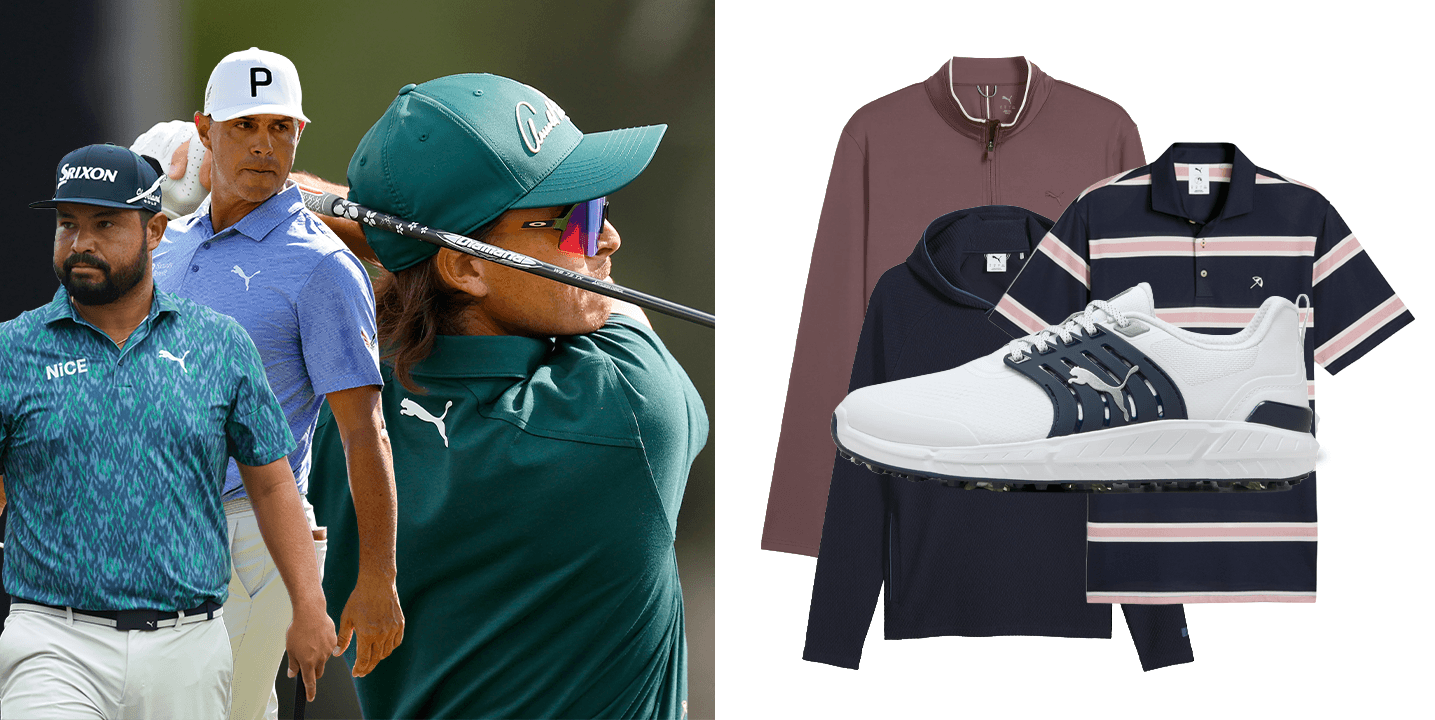
As someone who spends every week covering golf style, it felt like another week where the athletes themselves had become increasingly commercialized. More sponsor placements. More visual clutter. Less thoughtful styling. Less identity.
Then the broadcast cut to a tight shot of Tommy Fleetwood, and I had a thought.
What is the consequence of too much commercialization? Not financially. Visually.
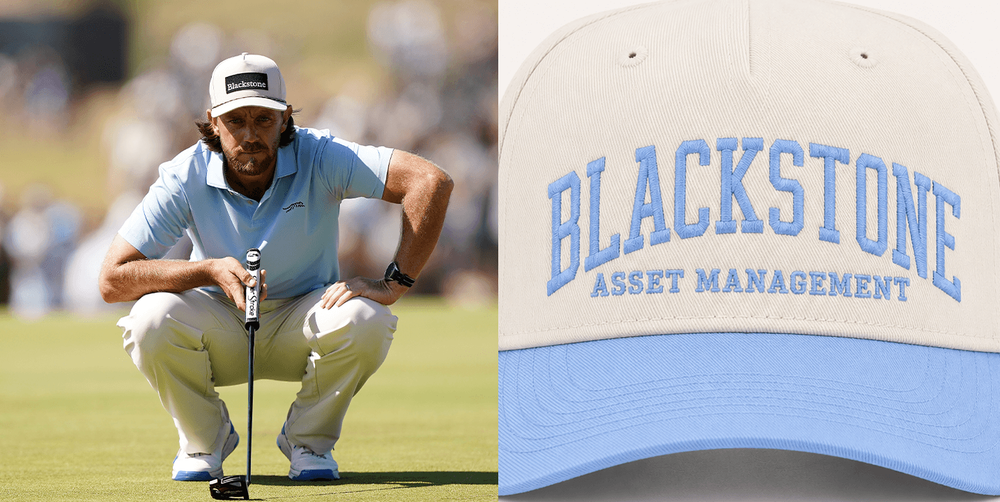
Ten minutes later, I had mocked up a collection of completely ridiculous hats. Giant asset management logos. Over-the-top sponsor placements. Hats that looked absurd because they were supposed to.
The funny part? I wouldn't wear a single one of them. The hats weren't a design proposal. They were satire. They were my way of asking a question that I don't think golf asks often enough.
At what point does commercialization stop supporting the product and start becoming the product?
That's the conversation I was trying to have.
Every sponsorship decision makes sense on its own. A sleeve logo here. A new partner there. A slightly larger mark. Another activation. Individually, they're easy to justify. But the accumulation is what matters. One commercial decision rarely changes the sport, a thousand of them do.
Related: I've Spent 20 Weeks Trying to ID Justin Thomas' Pants
This weekend made me realize that the conversation isn't limited to apparel. It's happening everywhere. Broadcasts are trying to maximize inventory. Courses are maximizing signage. Apparel is maximizing sponsor visibility. Athletes are maximizing partnership obligations.
Everyone is optimizing for the same thing: attention. Eventually, the athlete becomes another advertising surface.
I don't believe sponsorship is the problem. Sponsors make professional golf possible, and the players deserve every opportunity to build successful businesses around themselves.
The problem is when asset management starts replacing creative direction. Those are two very different things. Great sponsorship should elevate an athlete. Great design should make every partner feel intentional. The best uniforms, the best branding, and the best partnerships don't scream for attention. They earn it through restraint.
The irony is that restraint often creates more value than another logo ever could. That's why I made the hats. Not because I think Tommy Fleetwood needs a redesign.
Not because I think asset management companies shouldn't sponsor golfers. I made them because exaggeration has a funny way of exposing reality. Sometimes you have to push an idea to its absolute extreme before people stop and ask whether we're already heading in that direction.
The hats did exactly what I hoped they would. They started a conversation that had very little to do with hats.

JOIN OUR NEWSLETTER
Get our top stories in your inbox, including the latest drops in style, the need-to-know news in pro golf, and the latest episodes of Skratch’s original series.