
6 MIN READ
May 13, 2026
What You Should Know: Titleist GTS Drivers
Armed with new fitting tools and designed to help you get more from your driver and long game, here's what you need to know about the Titleist GTS drivers.

After a successful tour validation process, the Titleist GTS drivers and fairway woods are here, and we have all the details to help you understand what Titleist is bringing to the table. But before we get to what's new, let's get into a mini recap.
Every new driver in 2026 has brought with it a lot of hype - and for the most part, they have all delivered. Then, in a bit of a surprise tactic this spring, Titleist went out of its way to drop the price of its inline GT driver to just $450—that's $200 less than most of the new models in the market. Of course, the rumors of a new driver hit harder than Cameron Young to a ProV1, and in Houston, the GTS driver hit the tour.
RELATED: The Numbers Behind Titleist’s Growing GTS Driver Adoption on Tour

RELATED: What You Should Know: Titleist GTS Fairway Woods
Now it's time for them to hit fitters and retailers, so let's get into the nitty-gritty.
Titleist GTS Drivers - What's New
Let me cut to the chase. The Titleist GTS drivers offer greater fitting capabilities, added stability, and speed thanks to new fitting tools, multi-material construction, and an updated face design. How those things come together in each model also adds to the options available to golfers.
More Fitting Tools
Across all of the newly available models: GTS2, GTS3, and GTS4, there is dual adjustable weighting to help dial in launch and spin.

For the GTS2, that means a new forward weight port to help make adjustments compared to the previous generation, which only had a rear weight, plus a new rear weight in the GTS3 to increase stability, and a weight track in the GTS4 to help with directional control.
Basically, each model got better to allow for more nuanced fitting options that were never available before.
Split-Mass Construction
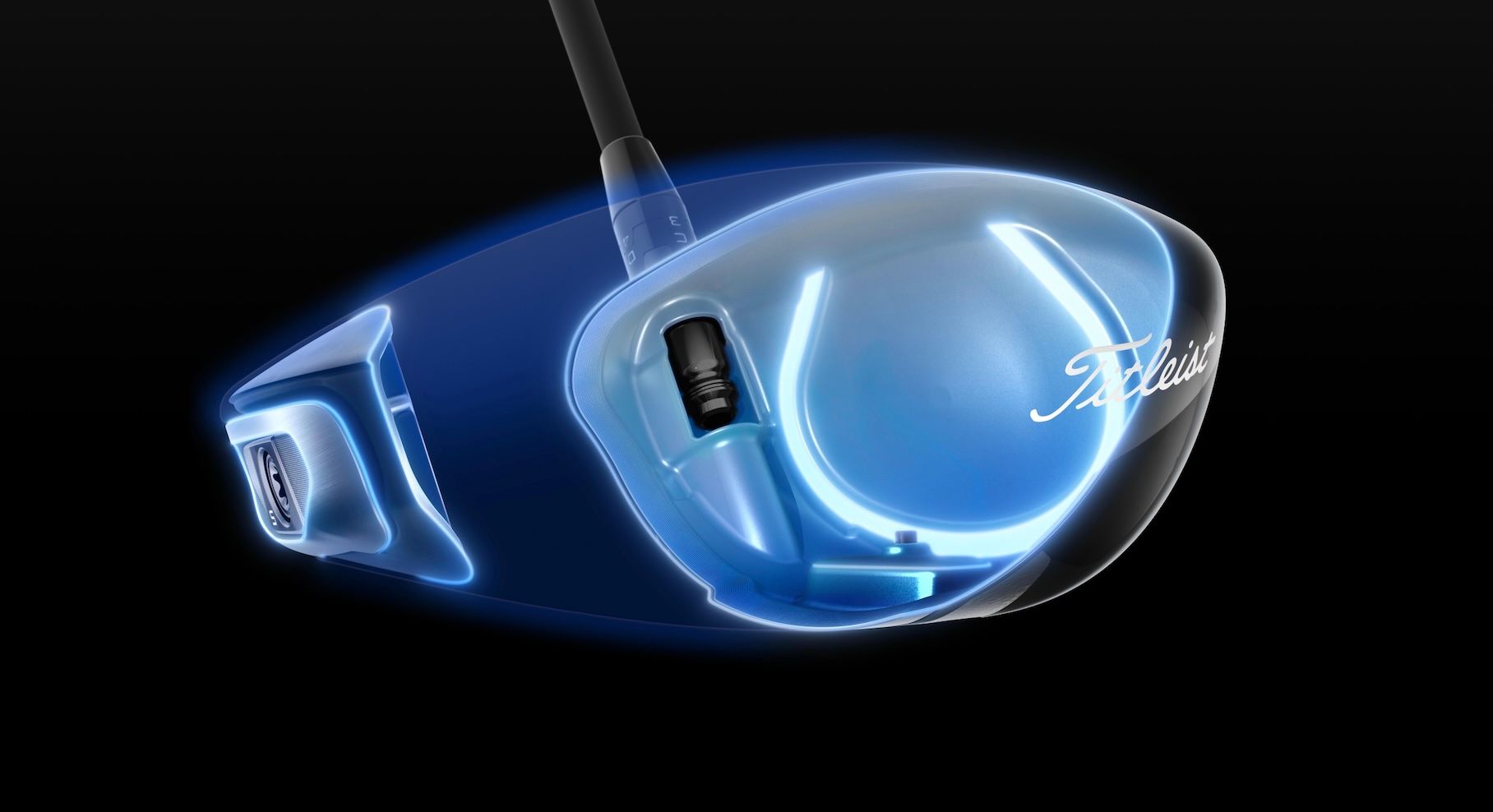
The GT drivers introduced us to Titleist's Split Mass construction, which saved weight from the middle of the body of the driver to reposition it forward and back in the head to raise forgiveness. This was made possible with Titleist's PMP (Proprietary Matrix Polymer) composite that saved weight from the crown and skirt of the driver.
Now with the GTS Split mass is taken even further because rather than just using PMP on the crown and skirt, it now wraps around the entire midsection of the driver. This means more free'd up mass to be utilized in different areas - which is exactly how the new models ended up with added adjustability with more stability built in.
For some perspective, the GTS uses double the amount of PMP which takes of 60% of the drivers total surface area while only weighing 13% of the heads total mass.
We know that forward CGs drive speed with great launch and spin characteristics, but you need to be able to do that with an inertial stability that still preserves ball speed, launch and spin consistency on off-center hits. We’ve never before been able to hit these CG positions and inertia properties at the same time, and we’re achieving that because of GTS’ construction.
Stephanie Luttrell, Titleist’s Senior Director of Metalwood R&D
But Is This Design Style Really New?
So before we get to models, let's address the elephant in the room that some tuned in gear folks are going to ask questions about.
First off, split-mass construction isn't a new concept. This type of titanium face-to-carbon-to-weight has been around since 2004, first seen on the Callaway Fusion driver, where a ti-face was bonded to a full carbon body. The difference was the weights were hidden inside the carbon. The Callaway Paradym took it to a new level with their 360 Carbon Chassis and that construction method carries on in some of their new models like it does in the new GTS drivers.
The difference will always come down to how the engineers interpret the best way to use the allocated mass and volume to create drivers to best suit different golfers.
RELATED: An Inside Scoop On Gear From Inside The Titleist Tour Truck
Faster Face Design - Speed Sync
Building off the previous GT Speed ring design, which placed a thicker support structure around the face insert, the new Speed Sync face uses the top of the face as the support structure and opens up like a big "U" rather than a full circle behind the impact area.
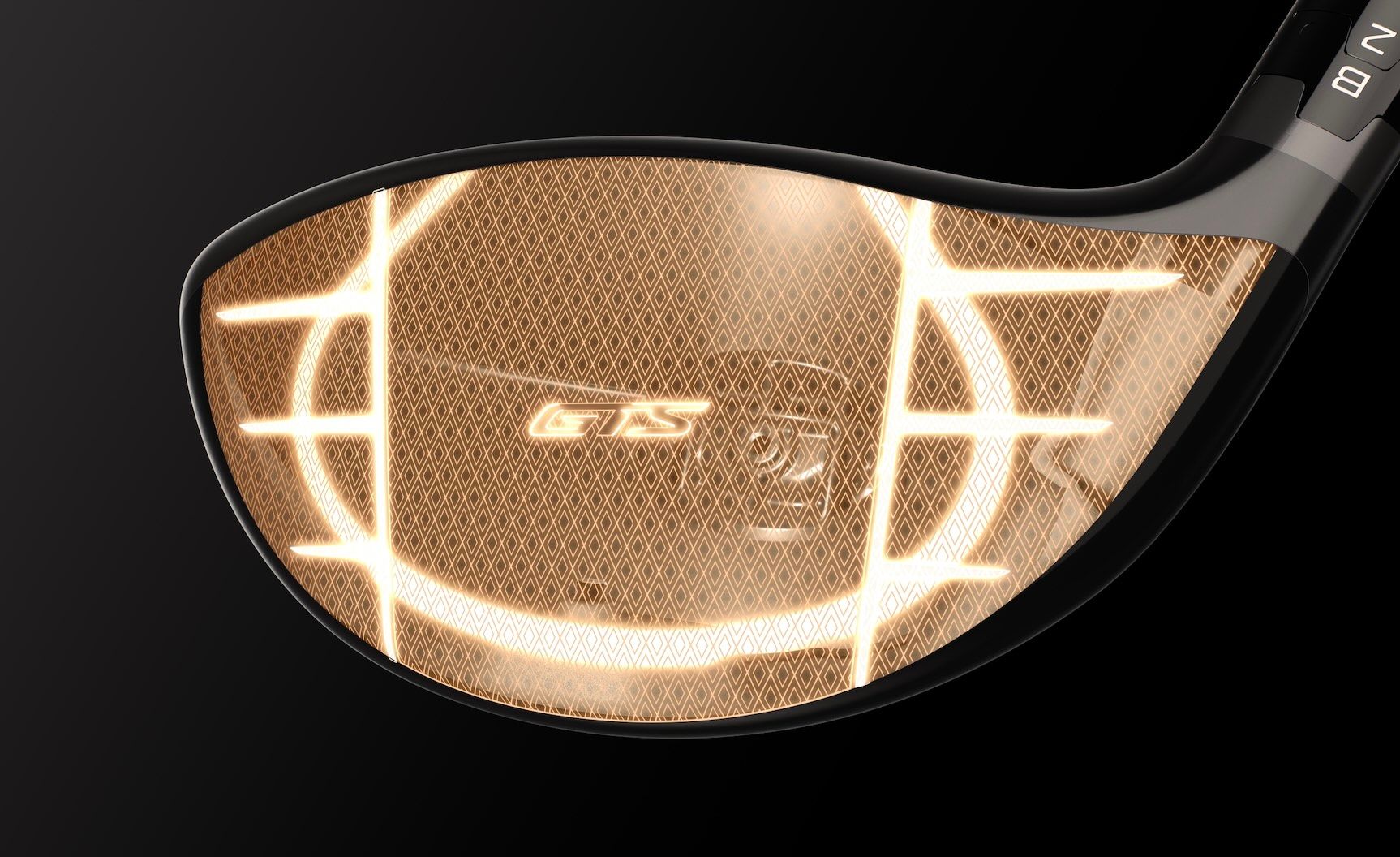
The result is a face that offers more flex above the sweet spot, to generate faster ball speeds in an area that traditionally sees speeds drop quickly.
The result is better ball speeds paired with more stable head designs to deliver more distance more often for more golfers.
GTS Driver Models

GTS2 - "The Fast & Forgiving One"
With adjustable front and back weights, plus an optimized aerodynamic shape, the GTS 2 is built for players looking to add launch and control spin.
Loft Options: 8.0, 9.0, 10.0, 11.0 (RH/LH)
GTS3 - "For Speed & Control"
Designed to offer additional control and lower launch compared to the GTS2, the GTS3 gives golfers a smaller profile and control with the help of a sure-fit weight track and deeper face.
Loft Options: 8.0, 9.0, 10.0, 11.0 (RH/LH)
GTS4 - "Low Spin Speed"
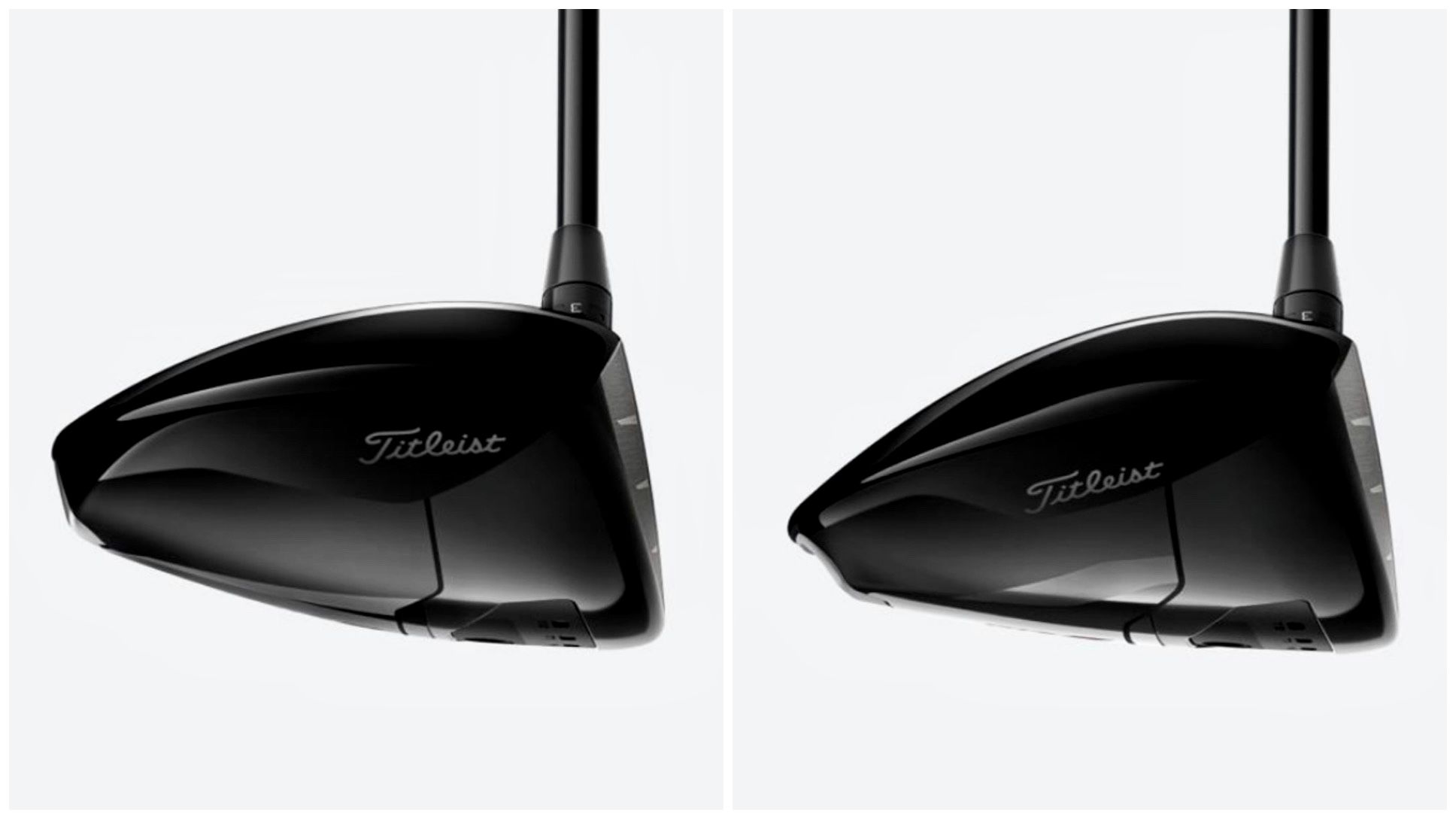
(GTS3 vs GTS4 geometry)
Like previous "4" models, the GTS4 is the lowest spinning of the GTS models and has been engineered to maximize distance by lowering spin. The biggest change is that the GTS4 is now 460cc (like the GTS3 and GTS2) to add extra forgiveness and stability on mishits.
As the side-by-side above demonstrates, the crown of the GTS4 drops significantly faster to produce a lower center of gravity compared to the GTS3
Loft Options: 8.0, 9.0, 10.0 (RH/LH)
RELATED: Why So Many Golfers Trust Titleist's Vokey Wedges At The Masters
Price, Options & Availability
The Titleist GTS Drivers are now available for custom fitting & presale at Titleist accounts and will be in retail locations starting on June 11th. They are priced at $700 with the core featured shafts and $900 with the Premium shaft options from Graphite Design.
Featured shafts:
Project X Titan Black
Mitsubishi Tensei 1K White w/ Rip Technology
Mitsubishi Tensei 1K Blue w/ Rip Technology
Mitsubishi Tensei 1K Red w/ Rip Technology
Premium shafts:
Graphite Design Tour AD DI
Graphite Design Tour AD VF
Graphite Design Tour AD FI
Shop Now.
Titleist GTS
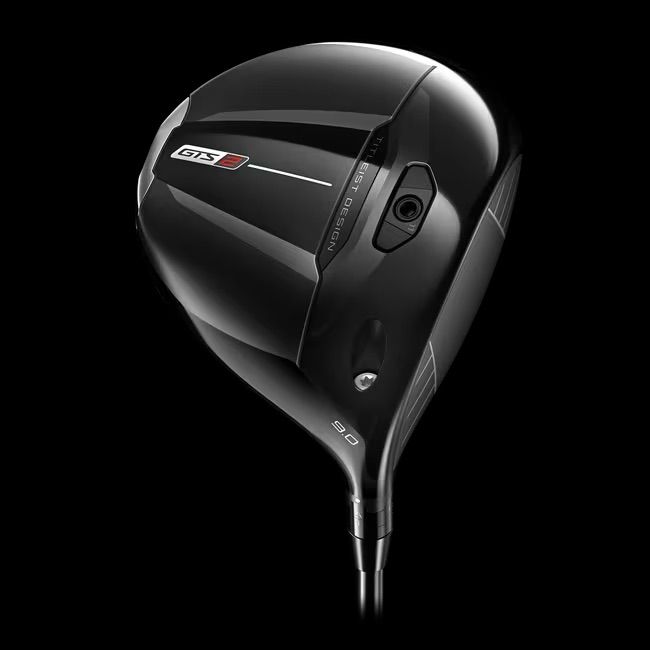
Titleist GTS2 Driver
Titleist
$699 (Pre-sale starts June 11)
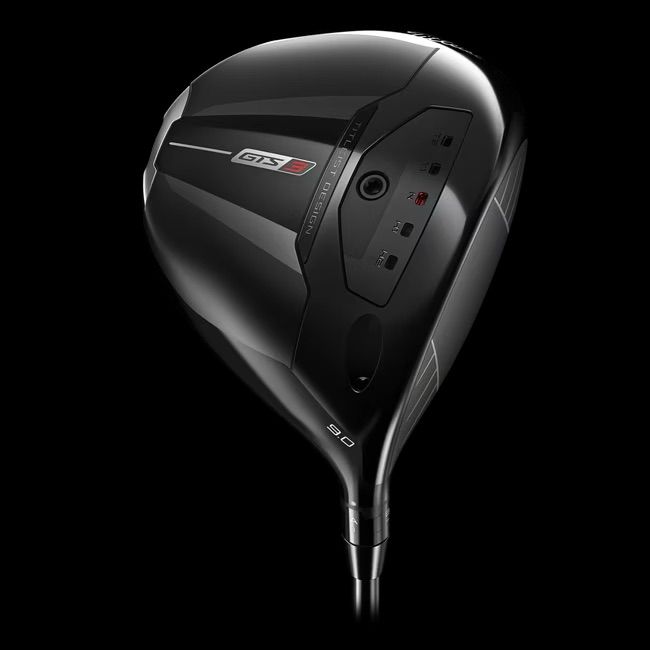
Titleist GTS3 Driver
Titleist
$699 (Pre-sale starts June 11)
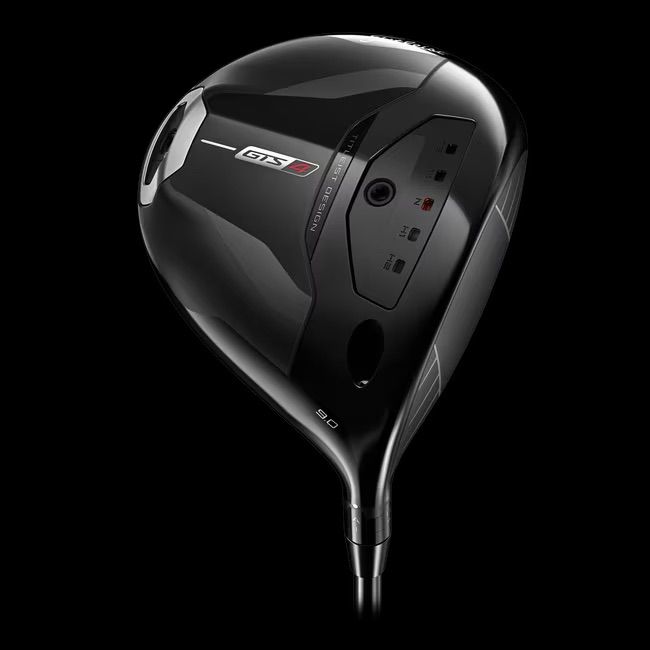
Titleist GTS4 Driver
Titleist
$699 (Pre-sale starts June 11)

Titleist GTS2 Fairway
Titleist
$399 (Pre-sale starts June 11)

Titleist GTS3 Fairway
Titleist
$399 (Pre-sale starts June 11)
The products featured above are hand-selected by Skratch editors and are not paid promotion. Skratch may earn affiliate commissions when you purchase through these links.

JOIN OUR NEWSLETTER
Get our top stories in your inbox, including the latest drops in style, the need-to-know news in pro golf, and the latest episodes of Skratch’s original series.



Skratch 2026 © All rights reserved