
5 MIN READ
May 15, 2026
End of an Era: What You Need to Know About TaylorMade's New Release Cycle
TaylorMade is ready to change course on its traditional woods product cycle and move to a whole new product cadence.

If you're a golfer from a certain era, you might remember the days of TaylorMade releasing 5-7 driver models a year in the early- to-mid-2000's. After years of following the same routine, it became a bit of a consumer joke that if you just waited 2-3 months, you could get the newest model for 40% off.
I'm highly aware of this because I worked at a big-box golf retailer during this time.
Well, as much as we might hate to admit, that was two decades ago, and a lot has changed in the world of golf, and a lot has changed at TaylorMade, too. Which is why TaylorMade is making a strategic decision to alter their yearly driver release cycle to a full two years - rather than the one-year cycle they have relied on for more than a decade.
And, they're making a big point to let golfers know about it.
RELATED: TaylorMade Brings Retro Heat With PGA Championship Drop
Why Change Now?
This is the million-dollar (possibly billion-dollar) question with a lot of moving parts, but according to TaylorMade's Vice President Brian Bazzel (paraphrased from our conversation)
We believe strongly in the Qi4D product line and want more golfers to experience what it can offer," Bazzel said. "We also feel that as the golf industry evolves, we should evolve along with it, which is why we are choosing to move to a 2-year product development cycle.
There is no denying that any of this is true, and I believe this change in philosophy is ultimately a benefit to the consumer.
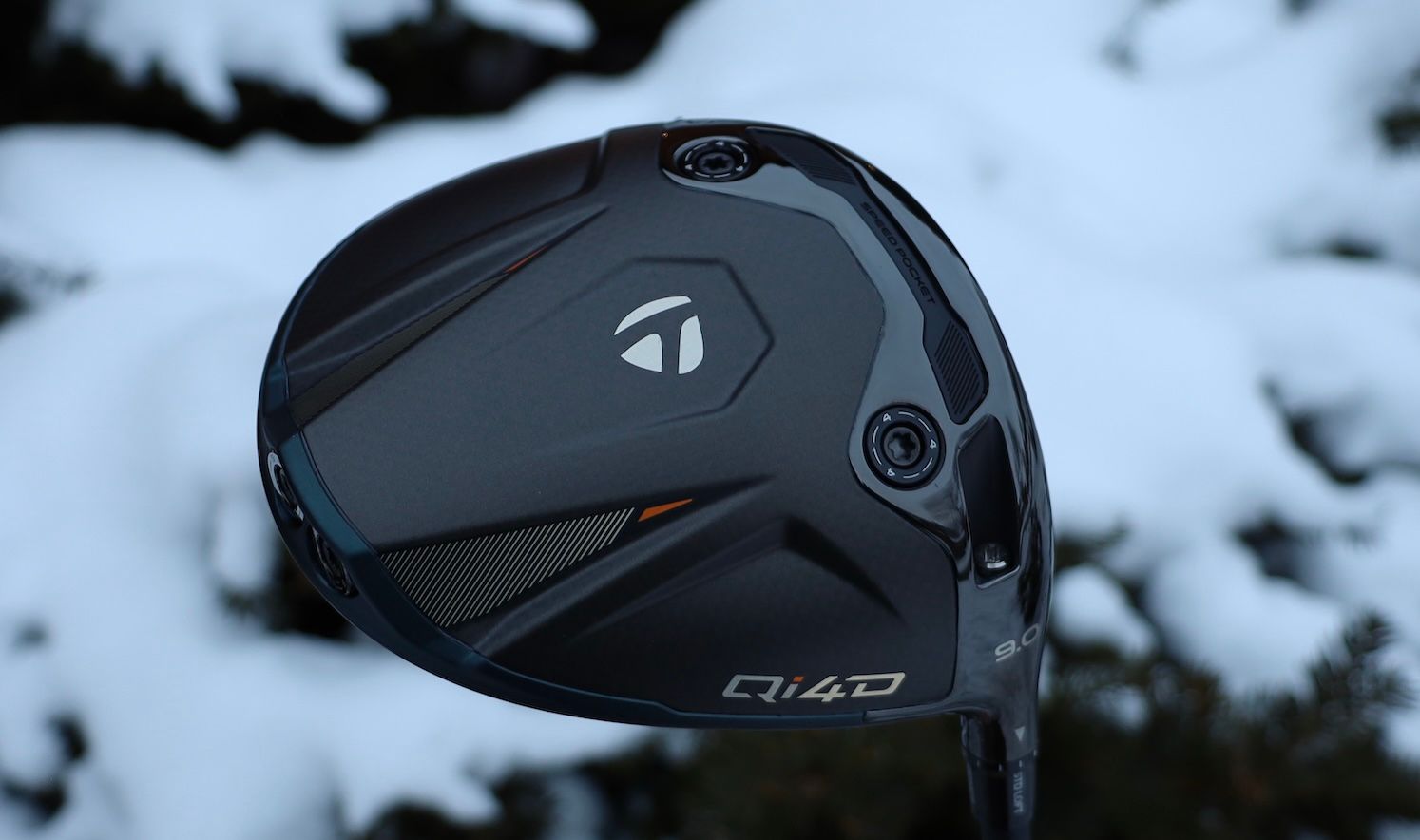
With launch monitors ubiquitous, to the point where it's now possible to get a high-quality launch monitor offering reliable data for less than a couple thousand dollars. Golfers don't have to go to the ends of the earth to find out their launch and spin numbers, because every big-box fitter can get you dialed in.
This means that if a new product isn't actually better, golfers know. So with this change in product cycles, TaylorMade wants to make sure that when they do bring something new to golfers, it's quantifiably better.
It's Also About Trust
Another component here is trust, and as TaylorMade has expanded and seen success in other equipment categories like golf balls, irons, and putters, those product cycles have gotten longer and the products have gotten better with each generation.

There is no better example of this than the P790, which is now on its 5th generation. Each model has seen noticeable enhancements to sound, feel, and performance and golfers have taken notice. You want to know a big reason why they have constantly gotten better? Because the engineers behind the products have more time to develop, test, take in feedback, and apply it to new models.
And, just like with their irons, TaylorMade wants to develop a even most trusting relationship with golfers when it comes to their drivers, so they can feel confident in getting fit and knowing they have the best possible product in the bag.
Small Stable - Big Names

This is the unavoidable topic.
One more piece of this puzzle is that, unlike in the early 2000's, TaylorMade's stable of professional golfers has shrunk immensely, while also becoming way more successful.
Instead of giving any tour player with a pulse a staff bag and a driver deal, they've managed to be selective and Moneyball their way to having some of the most successful and recognizable names in pro golf on both the men's and women's side.
The TaylorMade staff lineup includes: Rory McIlroy, Scottie Scheffler, Tiger Woods, Tommy Fleetwood, Collin Morikawa, Nelly Korda, Brooke Henderson, and Charley Hull
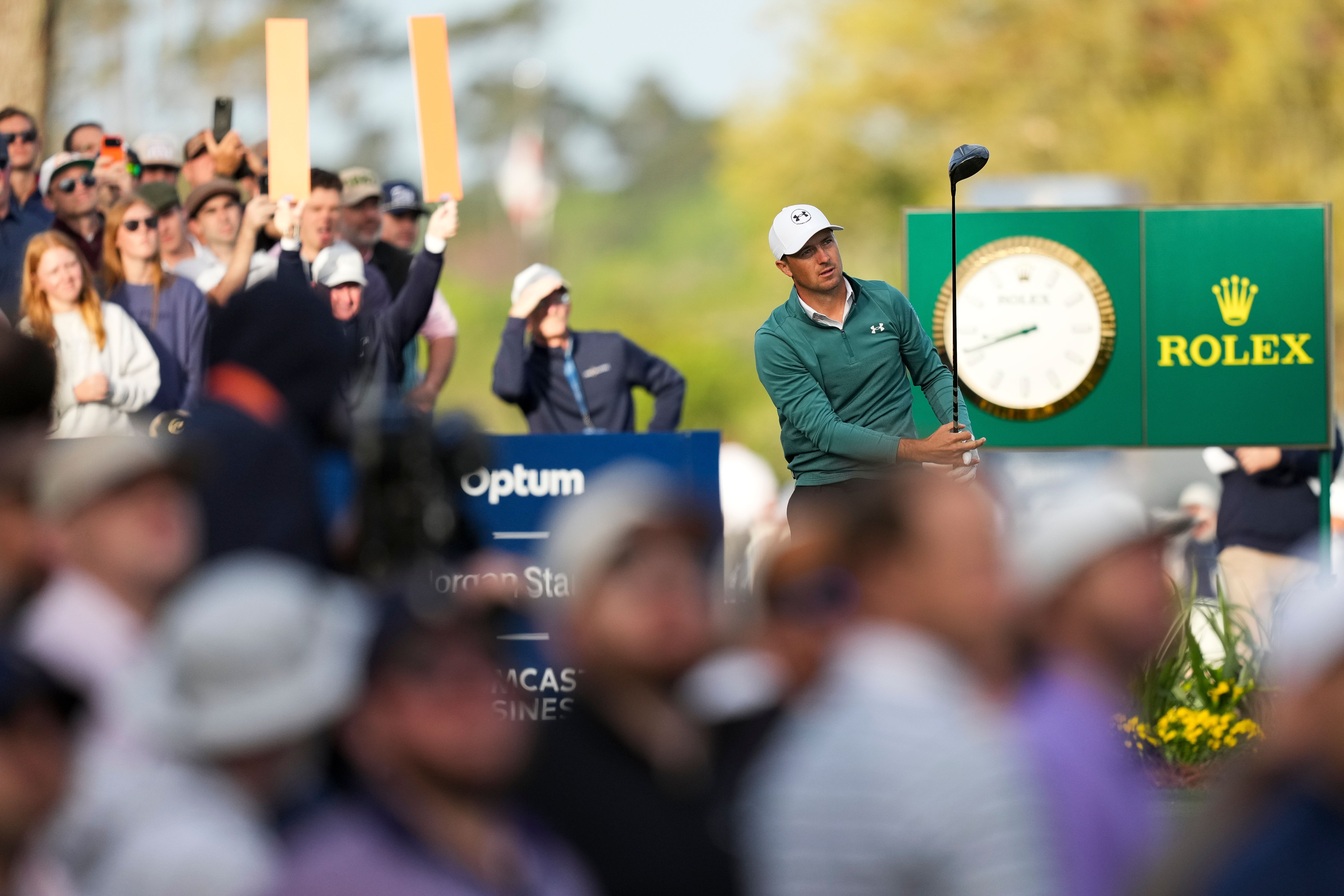
But, with great success comes a huge resistance to change to the point where Rory McIlroy admitted at points during the 2025 season that he would prefer not to have to change drivers every year (once again, I'm paraphrasing). Then there's Scottie Scheffler, who has been open to testing newer models but continues to play the Qi10 from 2024.
This type of trepidation about using a new driver might be fine for Scottie and Rory since they keep on winning, but the public messaging takes a hit, which then quickly reduces consumer confidence and potentially lowers sales.
My Take On The Change
If we dive into the actual business case, I'm sure there are other non-product-related factors involved, like cost savings from having big launches every year. Then you have the product training that filters down to retailers, plus POP (point of purchase) displays. These things all add up and don't have anything to do with product performance.
Don't forget demo heads to retailers and fitters, plus all the extra residual factors that come from trying to control inventory on a consumer product with a full- priced shelf life of 12-months, when after that, golfers are already asking "what's new?".
Now, I could take the completely cynical side and say this is just about saving money on the bottom line, but I really do believe this is just as much about creating better products and changing consumer habits.
Unlike back in the early 2000s, drivers aren't getting any bigger, and the technology cycle of improvement is slowing down. Not to mention that, rather than being $400, new drivers are topping out at close to $700 or more, depending on shaft choice, and asking core consumers to spend that every year is becoming a harder ask, when the data in front of their faces shows a 2-3 yard improvement.
With this new product release cycle confirmed, TaylorMade now sits alongside other big players in the driver market, Titleist and Ping as manufacturers with longer cycles, while, at least for the moment, Callaway and Cobra are likely to continue to release new driver and woods lines annually.
I guess the only big question now for gear nerds is "what's coming in 2028?"
RELATED: A Golf Gear Nerd's Manifesto

JOIN OUR NEWSLETTER
Get our top stories in your inbox, including the latest drops in style, the need-to-know news in pro golf, and the latest episodes of Skratch’s original series.



Skratch 2026 © All rights reserved