6 MIN READ
July 23, 2026
A Modest Proposal: Pro Golf Needs a Marketplace—Here's How I'd Do it
A thought experiment on creating more revenue for players, more opportunity for brands and a better experience for fans who shop.

Players deserve every opportunity to grow their income. But maybe the next chapter isn't finding more places to put logos. Maybe it's building a better marketplace.
Spend enough weekends watching professional golf and you'll start to notice the same thing. Every year, another logo finds its way onto the athlete. Hats become billboards. Golf bags become billboards. Sleeves, collars and every available patch of fabric slowly become commercial inventory.
To be clear, I don't think that's anyone's fault.
Professional golfers should have every opportunity to maximize their earnings. Outside of the game's biggest stars, keeping a PGA TOUR card isn't nearly as glamorous, or as lucrative, as many fans probably think. Travel is expensive, careers are short and sponsorships remain one of the best ways for players to build wealth.
The problem isn't sponsorship. The problem is that we've reached a point where the easiest way to create more commercial value is by adding another logo.
What if there was another way?
Keep the Current Sponsorship Model
The first thing I'd say is this: I wouldn't change today's sponsorship model.
If Jason Day wants Deloitte on his golf bag, great. If a player signs a life changing apparel deal with Nike, adidas or Puma, even better. Those opportunities should continue to exist because players deserve them.
Instead of replacing the current model, I'd build something alongside it. A commerce platform.
Introducing the PGA TOUR Marketplace
Imagine the PGA TOUR launching a curated Marketplace built around its players.
Apparel brands, equipment manufacturers and accessory companies could apply to become Marketplace Members through an annual participation fee. Alongside them, a limited number of Marketplace Partners would help fund the platform without competing for another logo placement on a player's shirt.
Every fully exempt PGA TOUR member would receive an annual Marketplace stipend, essentially a shopping allowance they can use throughout the season.
Players log in. They browse. They shop.
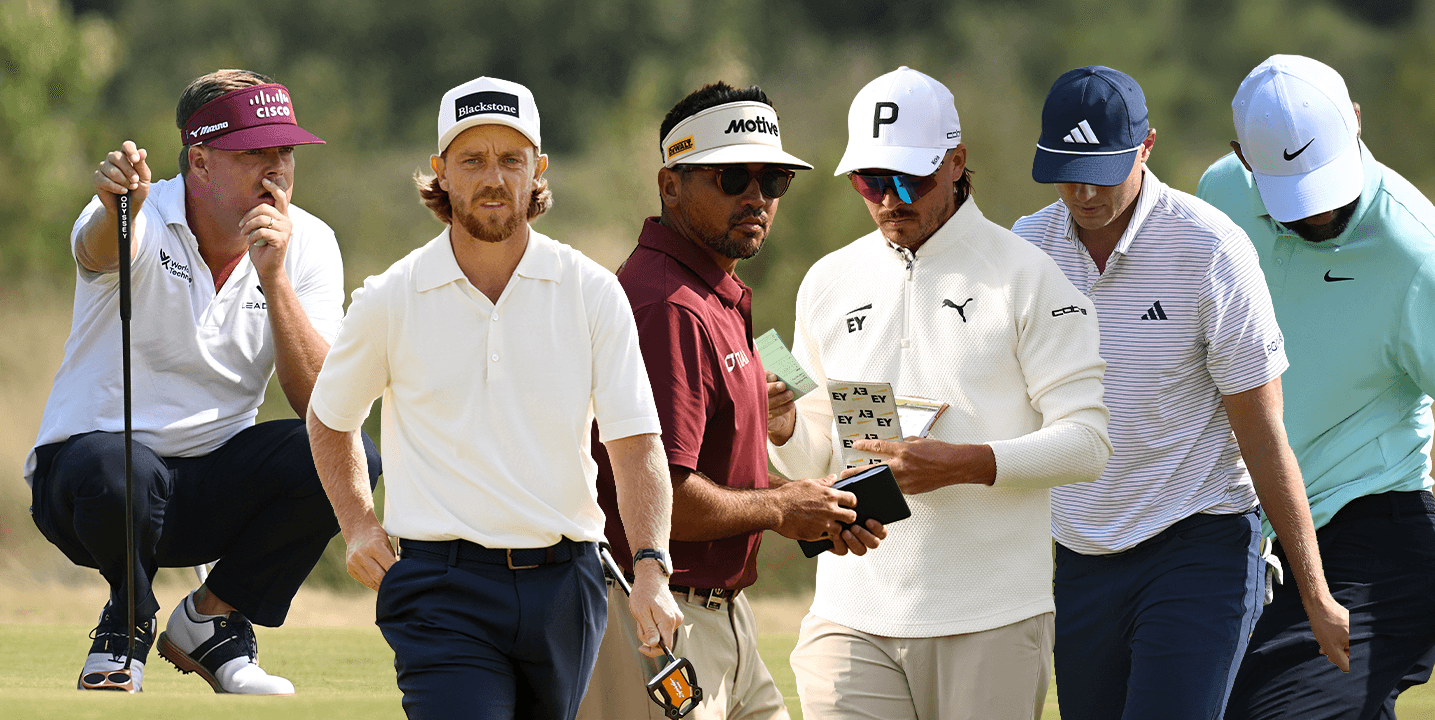
If Justin Thomas wants to add a new Holderness & Bourne polo to his locker, he can. If Tommy Fleetwood wants to try a new pair of Sun Day Red shoes, he can. If a player wants to switch to a new driver, wedge or putter from a participating equipment company, they simply add it to their locker.
Players still choose what they wear and what they play.
The Marketplace simply gives them another way to do it.
Every Player Gets a Locker
Every player has a digital locker. The difference is how it's built.
For apparel free agents like Justin Thomas or Tommy Fleetwood, the locker evolves throughout the season. As they discover products they genuinely like, those pieces become part of their collection.
For players with major apparel contracts, nothing changes. Someone like Ludvig Åberg isn't shopping for a new apparel sponsor every week. adidas simply manages his Marketplace locker, updating it as new collections become available. Fans still enjoy the exact same experience. They can browse what Ludvig is wearing that week, revisit previous tournament looks and shop those products in real time.
Whether a locker is curated by the player or managed alongside an existing brand partner, the experience for fans is identical.
We've all zoomed into Getty Images trying to identify a sweater. We've all searched the internet trying to figure out what putter someone switched into that week.
Why not make it effortless?
The Marketplace Creates a Second Economy
The Marketplace doesn't replace endorsements.
It creates a second economy.
Participating brands gain access to every PGA TOUR player through one platform instead of chasing individual endorsement deals. Players gain another way to discover products they genuinely want to wear and play. Fans gain one destination to discover everything they see during a tournament.
Now imagine Ryan Fox holes the winning putt on Sunday afternoon.
If Ryan is wearing products from Marketplace brands, fans can immediately open his locker and shop the exact polo, trousers, shoes, golf bag or sunglasses he used that week. If he's playing clubs from participating Marketplace equipment partners, those are there too.
Every purchase generates a commission for Ryan.
More importantly, every transaction also contributes to a shared monthly player pool that's distributed equally among every card carrying PGA TOUR member.
The biggest stars earn from the influence they already create. Players near the bottom of the FedExCup standings gain another meaningful source of income simply for being part of the TOUR.
Giving Smaller Brands a Real Opportunity
One of the things I like most about this idea is what it could do for independent brands.
Today, getting onto the PGA TOUR often means writing one massive endorsement check and hoping it works.
The Marketplace changes that equation.
Instead of convincing one superstar to wear your product, your job becomes making something players actually want.
If Students builds an incredible polo, players can add it to their locker.
If Vessel designs a golf bag players genuinely love, they'll carry it.
If Metalwood produces one of the best knit polos in golf, let the product compete on its own merit.
The best products earn their place.
Not necessarily the biggest marketing budgets.
A Better Experience for Fans
Every tournament creates demand.
Fans want to know what Tommy Fleetwood is wearing. They want to know what putter won the tournament. They ask where Justin Thomas got his trousers or which sunglasses Rickie Fowler switched into that week.
Today, those answers are scattered across retailer websites, brand pages and social media.
The Marketplace brings everything together.
Every player has a locker.
Every locker tells a story.
Current favorites. Tournament looks. Clubs in the bag. Shoes. Apparel. Accessories.
The moment of inspiration becomes the moment of purchase.
More Opportunity. Better Style.
This idea isn't really about selling more products.
It's about creating a healthier ecosystem.
Players gain another revenue stream without sacrificing the endorsement opportunities they've worked so hard to earn. Smaller brands finally have a legitimate path onto the PGA TOUR. Fans get one destination to discover and shop everything they see on television. Marketplace Partners help fund the platform instead of competing for another patch of fabric on an athlete.
Most importantly, the game gets cleaner.
Instead of asking players to wear more logos, we create another way for brands to participate. Instead of turning athletes into billboards, we turn them into curators.
Professional golf has already mastered events, media and hospitality.
Commerce feels like the next chapter.
And maybe the best way to reduce commercialization isn't by taking opportunities away from players.
Maybe it's by giving everyone a better marketplace.
Shop: Ludvig Aberg Locker

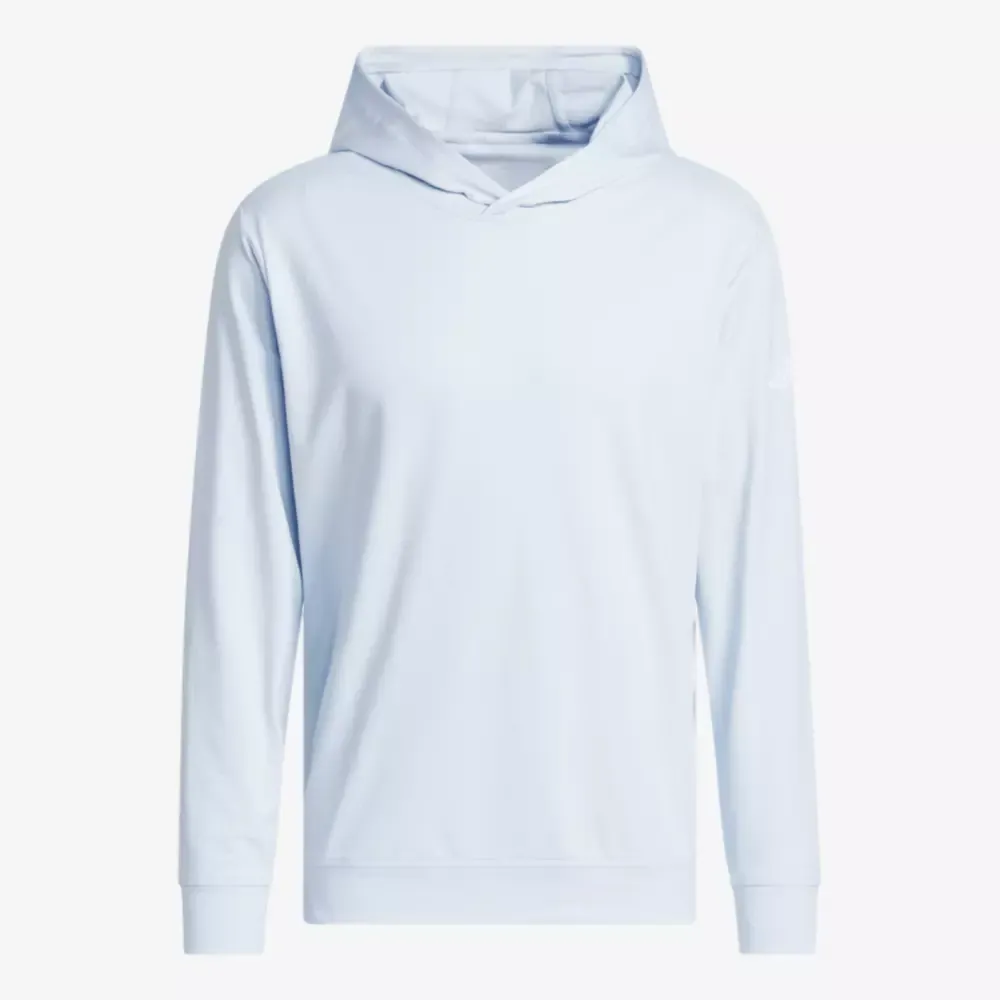
adidas Ultimate 365 Men's Golf Pullover Hoodie
adidas
$100
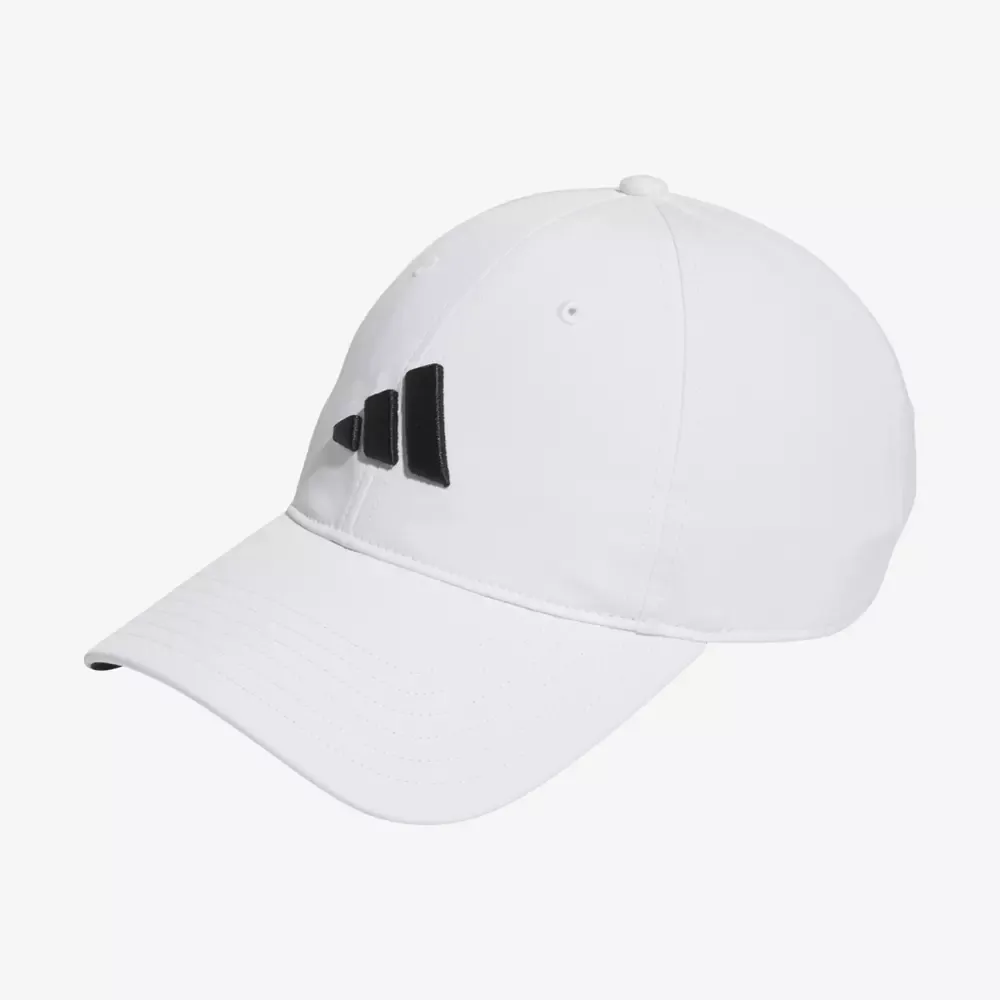
adidas ADI CORE25: Tour Badge Hat
adidas
$28
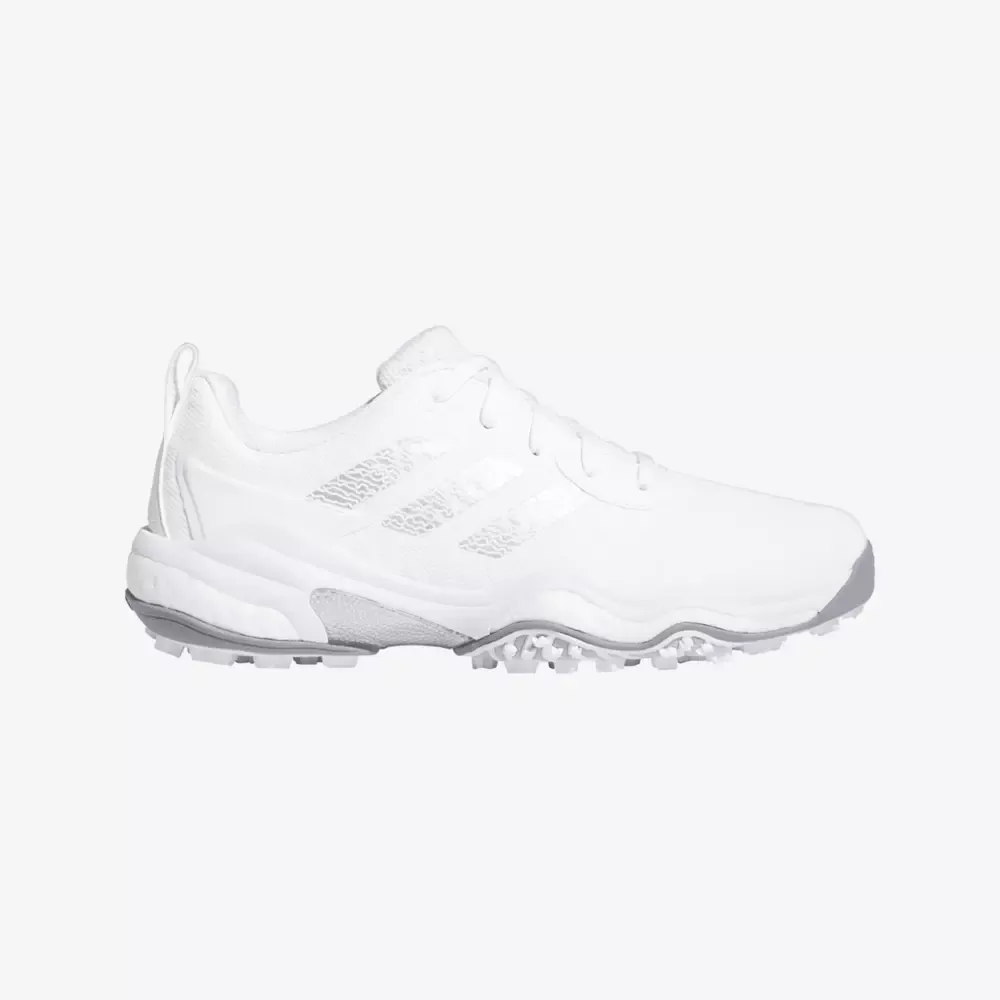
adidas Codechaos 25 Men's Spikeless Golf Shoes
adias
$160

adidas Core Heather Men's Short Sleeve Golf Polo Shirt
adidas
$55

adidas Ultimate 365 Men's Golf Pants
adidas
$90
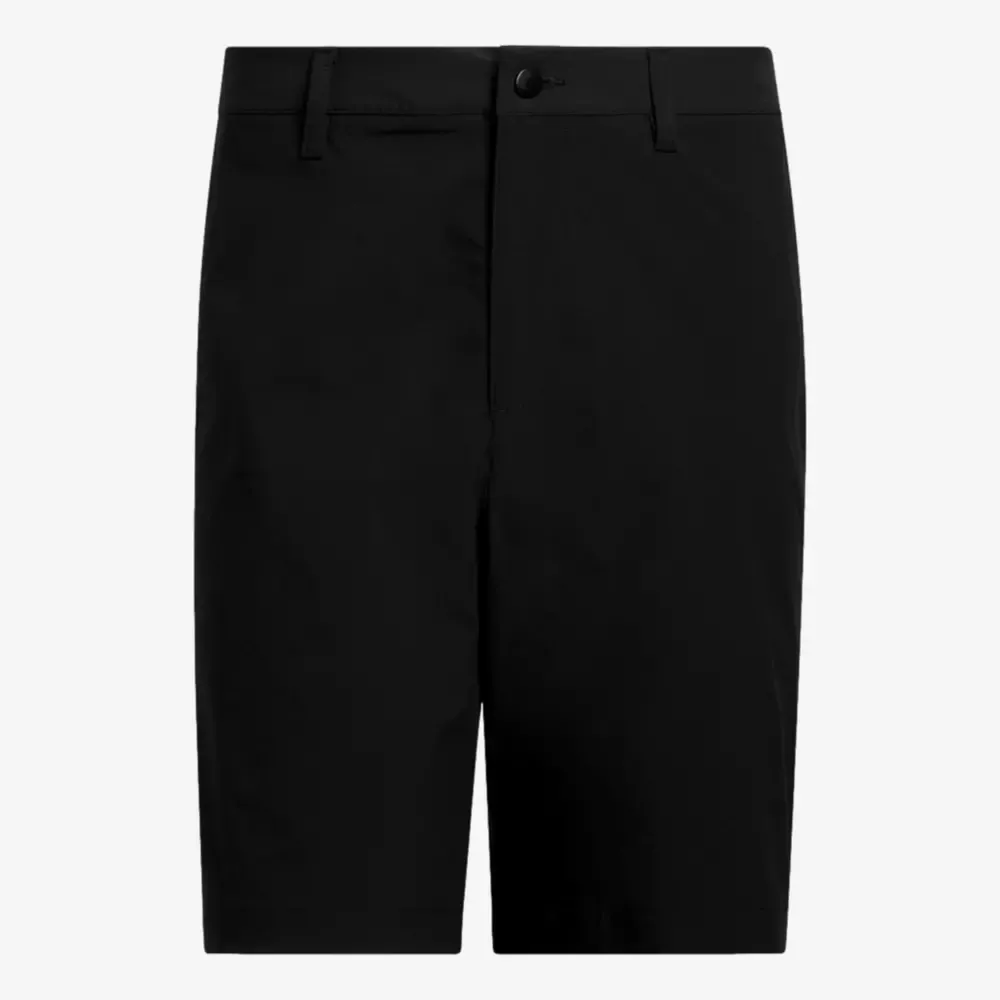
adidas Ultimate 365+ Men's 8.5" Golf Shorts
adidas
$90
The products featured above are hand-selected by Skratch editors and are not paid promotion. Skratch may earn affiliate commissions when you purchase through these links.

JOIN OUR NEWSLETTER
Get our top stories in your inbox, including the latest drops in style, the need-to-know news in pro golf, and the latest episodes of Skratch’s original series.




Skratch 2026 © All rights reserved