News
6 MIN READ
June 22, 2026
What Happens When a City Actually Shows Up for Women's Golf?
With crowds topping 60,000 and a community-first approach, the Meijer LPGA Classic has become a blueprint for how mid-market cities can create some of the best atmospheres in golf.

For years, the LPGA has faced criticism for not being "marketable" enough. Week end and week out, even during some majors, attracting crowds and locals fans has proven to be challenging—which has led many to go down the rabbit hole of trying to solve a problem that I believe to be far more nuanced than we give it credit for. But what if I told you that there was already a blueprint set in place?
If you had to build the ideal host city/venues for a women’s golf tournament, I'm willing to bet you that Grand Rapids, Michigan probably wouldn’t be the first, or even the second place you’d circle—and for obvious reasons. It doesn’t have the prestige of a major-market stop, or the legendary reputation of places like Pinehurst or Shinnecock Hills, or the aura that usually surrounds the sport’s marquee weeks. And yet, every June, the Meijer LPGA Classic keeps doing something a lot of tournaments—women’s or men’s—would kill for: getting people to show up.
And like...not in a "good crowd for women's golf" kind of way. The people of Grand Rapids legitimately show up in droves, growing Meijer into one of the Tour’s strongest attendance stories, regularly pulling crowds that make it feel less like a sleepy midsummer stop and more like a full-on sports event. Which is what makes it such an interesting counterpoint to a week like the men’s U.S. Open at Shinnecock Hills, where some of golf's richest championship history lies, in New York City's backyard no less, and yet the crowd, or rather the surprising lack thereof especially during Saturday's third round, became a major talking point.
Since its inception, Meijier has acted opposite of the men's U.S. Open, and at this points it's almost become a bit—I was told that in fact, the local community treats it like a competition. Showing up means just as much to them as it does the players, and that's rare.
Meijer works because it’s not trying to be a big city spectacle—it’s been built as a community event in a market that genuinely wants it, and that might be the most important lesson women’s golf can take from it. The LPGA’s best-attended tournaments is thriving in Grand Rapids, and it might be time to re-think what actually makes a great golf host city in the first place.

Jing Yan plays her tee shot during the third round of the 2026 Meijer LPGA Classic Blythefield Country Club in Belmont, MI. (Photo by Jorge Lemus/NurPhoto via Getty Images)
Established in 2014 by local grocery and retailer company Meijer, the tournament wasn’t built just to slap a title sponsor on an LPGA event and call it a day. From the jump, it was tied to the company’s "Simply Give" hunger relief program that supports food pantries across the Midwest. The charitable component is a big part of why this thing feels different. Similar to ShopRite, which has built the largest pro-am in golf in efforts to raise money for the local south New Jersey community, the Meijer isn’t asking it's consumers to embrace a random tournament that rolls into town for one week and disappears. It’s giving people a reason to feel like the event actually belongs to them.
It's become a way to support something local, tangible and bigger than the leaderboard. That kind of buy-in is hard to fake, and it’s a huge reason the Meijer has turned into one of the LPGA’s most reliable crowd draws. The golf gets people in the door, sure, but the tournament’s roots in Grand Rapids are what keep the place packed.
In just it's third iteration, the tournament had surpassed 50,000 fans to walk through the gates, and that number has only grown over the last decade. "We are dedicated to making the Meijer LPGA Classic an event the community and the LPGA can stand behind," Meijer Co-Chairman Doug Meijer said regarding the record numbers from 2016. "This event is making a difference in the communities we serve, and we sincerely thank everyone who attended for their continued support."
And while the tournament’s charitable mission gives Grand Rapids a reason to care, Meijer has helped itself with getting folks in the door with it's reasonable pricing. General admission tickets have been priced as low as $10, and kids 17 and under get in free with a ticketed adult—an intentional move that makes the event feel accessible, family-friendly and worth turning into a full day out. For a tournament trying to build a real local crowd, that matters.
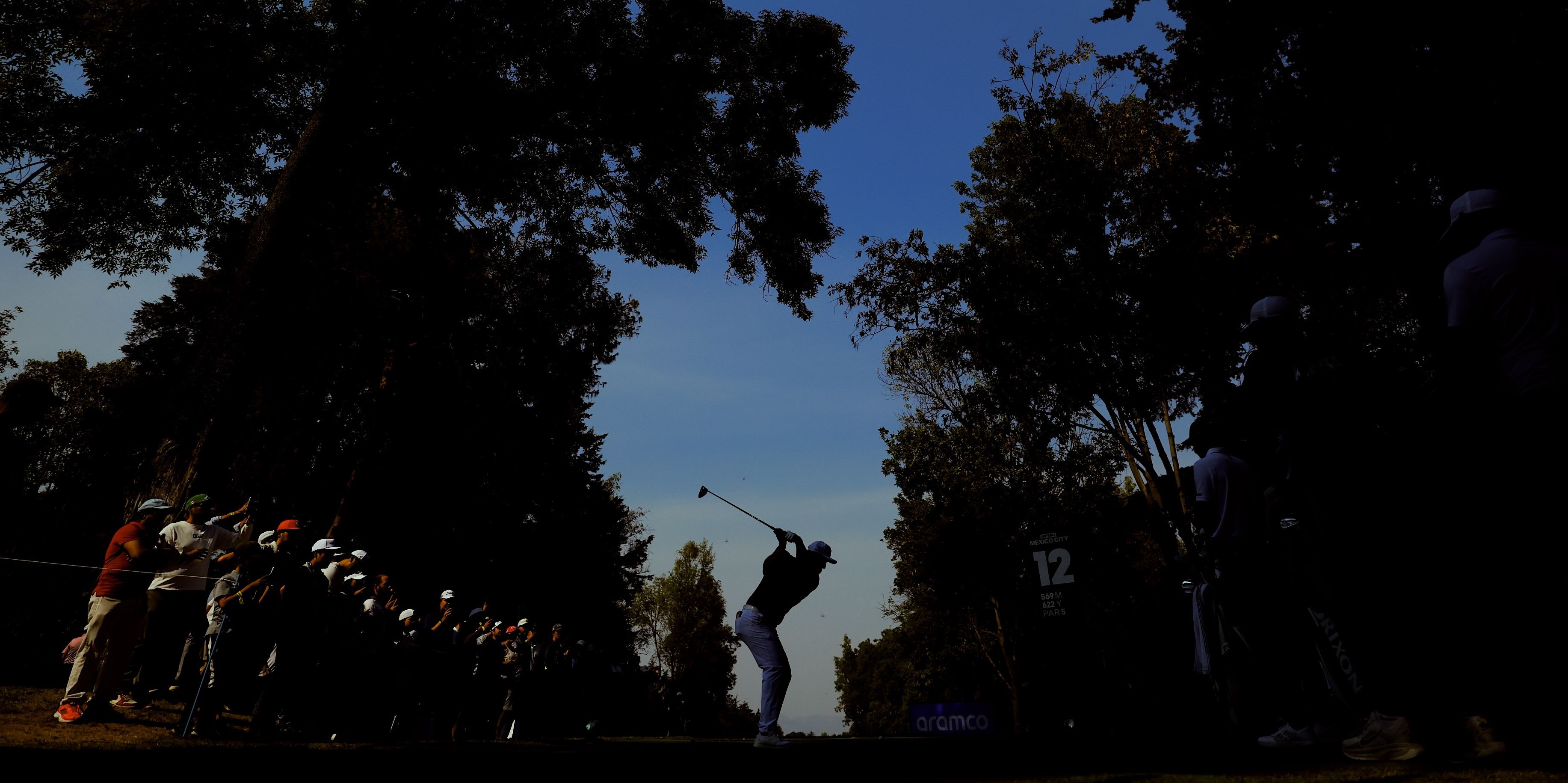
Once fans step foot on the grounds and crowd outside of the ropes, that level of accessibility translates into something that the players can actually feel on the golf course. Meijer suddenly turns into a major—creating an environment that players notice right away—where the fairways feel a little tighter, birdies are met with thunderous applause, and weekend leaderboards come with real energy behind them. It's the kind of atmosphere that stands out and resonates even for the Tour's biggest stars.
Brooke Henderson, the 2017 and 2019 champion, has long pointed to that feeling as what keeps her coming back. "I love this event. It's so fun to come back here every single year," she said ahead of this year's competition. "I think the energy and atmosphere is what's so special. It's so kid and family friendly, and, you know, especially on the weekend when everyone is out and watching, it's just really fun to be playing and having them cheer us on and support us."
It’s the kind of feedback that gets at the core of why attendance matters in the first place—not just for optics or tournament rankings, but for the actual product on the course. In Grand Rapids, the crowd isn’t background noise.
Which is what I find to be the part of Meijer to be the most endearing: the crowd doesn’t just show up because a specific superstar is guaranteed to win. In fact, most years, the winner isn’t the most recognizable name in the field, and that’s kind of the point. The tournament still pulls in massive weekend crowds, still fills the grounds, still creates noise on leaderboards even when the biggest global stars aren’t the ones lifting the trophy on Sunday. This time around, it was 2025 AIG winner Miyu Yamashita who broke through and won it, another reminder that the energy here isn’t dependent on star power at the top—it’s sustained by something deeper on the ground.
And maybe that’s the real takeaway from Grand Rapids. The Meijer LPGA Classic works because the city doesn’t just consume women’s golf for a week—it actually shows up for it. The charitable mission, the pricing, the family atmosphere, and the community buy-in all stack into something that feels bigger than any single winner. Which is why this event ends up being more than a tournament case study. It becomes a larger answer to the question the sport keeps asking itself: what happens when a city actually shows up for women’s golf?

JOIN OUR NEWSLETTER
Get our top stories in your inbox, including the latest drops in style, the need-to-know news in pro golf, and the latest episodes of Skratch’s original series.