News
3 MIN READ
December 18, 2025
Love Letter To: Royal Melbourne
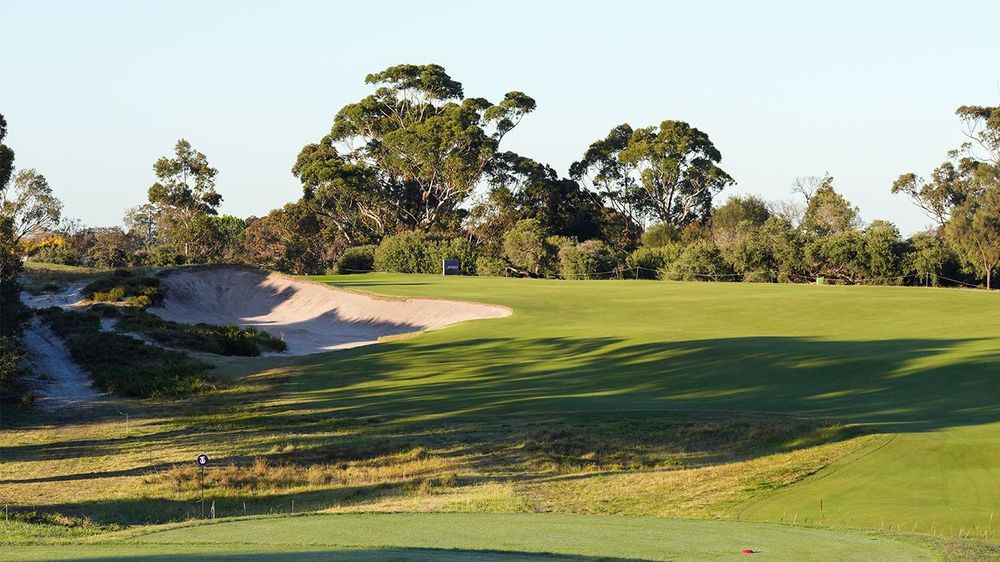
If you’re not used to golf on the Sandbelt of Australia, the visuals alone will stop you in your tracks.

As you walk on property at Royal Melbourne to the sounds of laughing kookaburra’s and early morning mowers, there’s a sense of excitement and angst for what’s to come. A certain feeling that comes with being on the grounds of a top-10 course in the world. You want to see it all, every tee box, every angle, and every grain of sand. And you feel like there’s never really enough time to truly be there on the grounds.

RELATED: A Love Letter To Bandon Dunes
If you’re not used to golf on the Sandbelt of Australia, the visuals alone will stop you in your tracks. Sharp bunkers that carve into the grass and firm greens are the poster child of Australian Sandbelt courses. But it’s not just that. It’s literally the ground that sits under your feet. The term “sandbelt” describes a stretch of land across the Australian South Coast that is perfect for creating some of the best golf courses you can find. An abundance of plant life that sits on top of insanely firm sand. That firm sand is what allows the bunkers to be cut into greens like a knifes edge without caving in on itself. It’s also what gives you the firm and fast playing conditions. It’s similar to the Irish links but with that Aussie bushland feel.


The Australian Open returned to Royal Melbourne for the first time since 1991, and with Masters champion Rory McIlroy in the field, this event has some juice to it again. All the greats have played this national open, but in recent years, due jam-packed tournament schedules and increasingly big purses around the world, the field for this event has lost some of its star power. But not this year. Rory was here and with him an army of tournament golf-deprived Aussies.
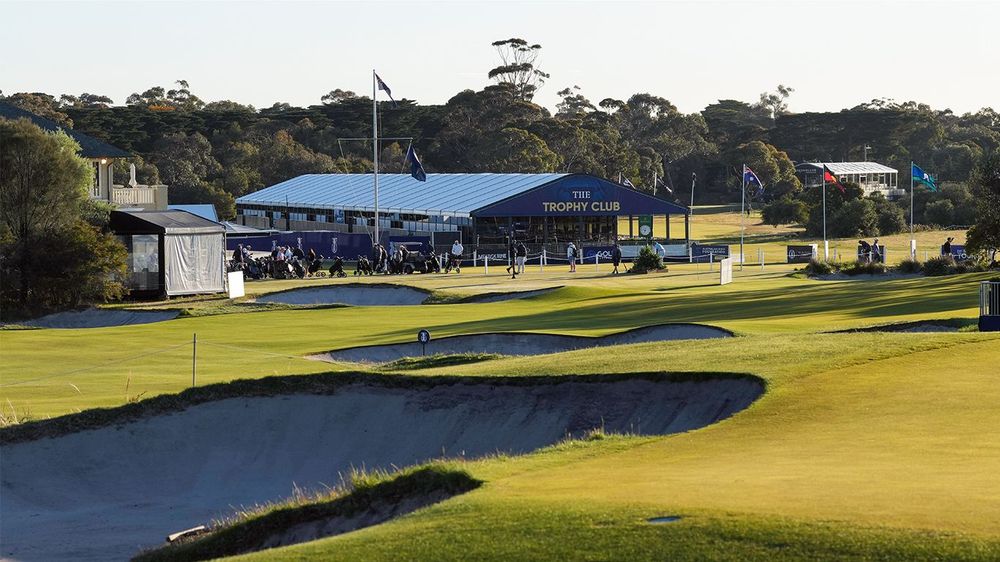

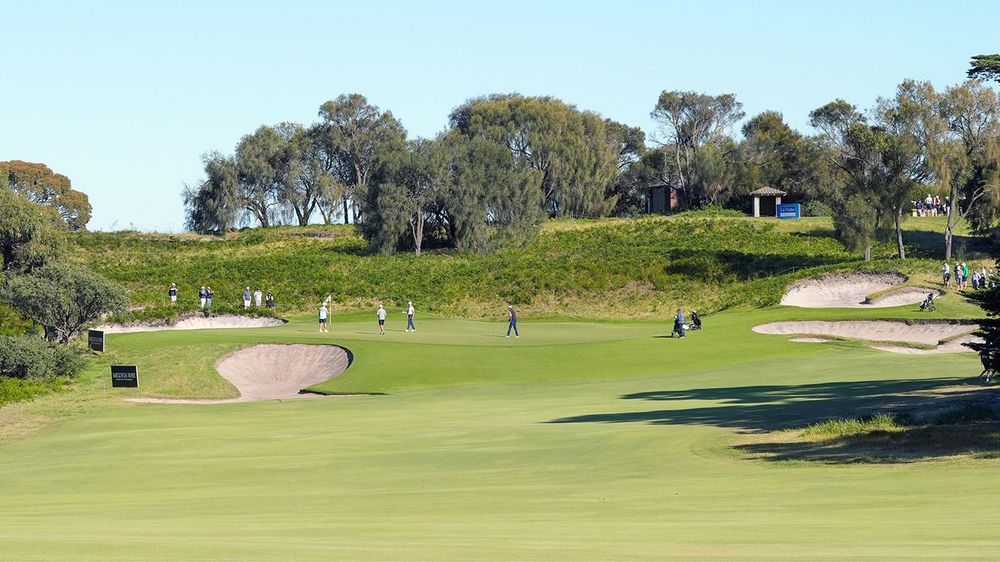
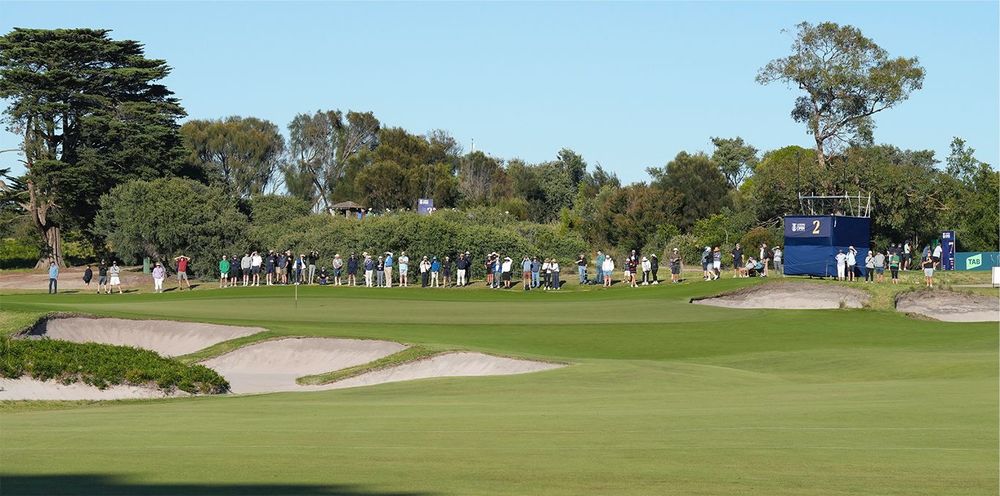
For big tournaments, Royal Melbourne uses its Composite Course. This being a mix of the West Course (designed in 1930) and East Course (designed in 1932), which sit on the same property. The West Course gets the majority of the accolades around the world, being designed by the great Alister MacKenzie (who also designed Augusta National and Cypress Point), but the East Course is no slouch. 12 holes from the West Course and 6 holes from the East Course make up the Composite, which was first routed in 1959 as a means to host tournaments on one side of the road that splits the 36-hole property. Ask the members at Royal Melbourne and they’d struggle to pick between Royal Melbourne West and the Composite Course. The addition of the 6 East Holes and the flow of the routing is regarded as one of the best tournament layouts on the planet.

What separates this course from so many is how each hole provides you with a completely different look off the tee as well as into the green. Very similar to MacKenzie’s Augusta National and Cypress Point designs, the course runs like your favorite playlist, banger after banger. And when you finish on 18, you just can’t wait to run it back.
RELATED: Take a Tour of Albany, Bahamas
This story is part of Skratch Golf’s Love Letter series—an ode to the places that make the game unforgettable.

JOIN OUR NEWSLETTER
Get our top stories in your inbox, including the latest drops in style, the need-to-know news in pro golf, and the latest episodes of Skratch’s original series.