Gear & Equipment
4 MIN READ
September 11, 2026
Is A Zero Torque Putter Right For You?
Zero-torque putters are everywhere, but that doesn't mean they're right for every golfer or every putting stroke.

Do you need a zero-torque putter? It's a question I get all the time, and considering just how many zero-torque options are now on the market, I can understand why. With so many options from so many companies, it can get confusing when it comes to picking out the right putter and understanding if you actually need one in the first place.
The pitch is pretty compelling: take the torque out of the equation, make the putter more stable, let the club do more of the work for you. The problem is that putting isn't quite that simple. Zero-torque putters can be fantastic for the right golfer, but they aren't a magic fix for every putting stroke. In fact, there are plenty of golfers who prefer a certain feel on the greens, and for those players, a zero-torque putter can actually make it harder to control the face. So before you jump on the zero-torque bandwagon, it's worth understanding what these putters actually do, how they differ from a traditional design, and, most importantly, whether that difference is going to help your stroke.
What Is A Zero-Torque Putter?
Now, before I answer the question of whether a zero-torque putter is for you, let's talk about what a zero-torque putter is in the first place.
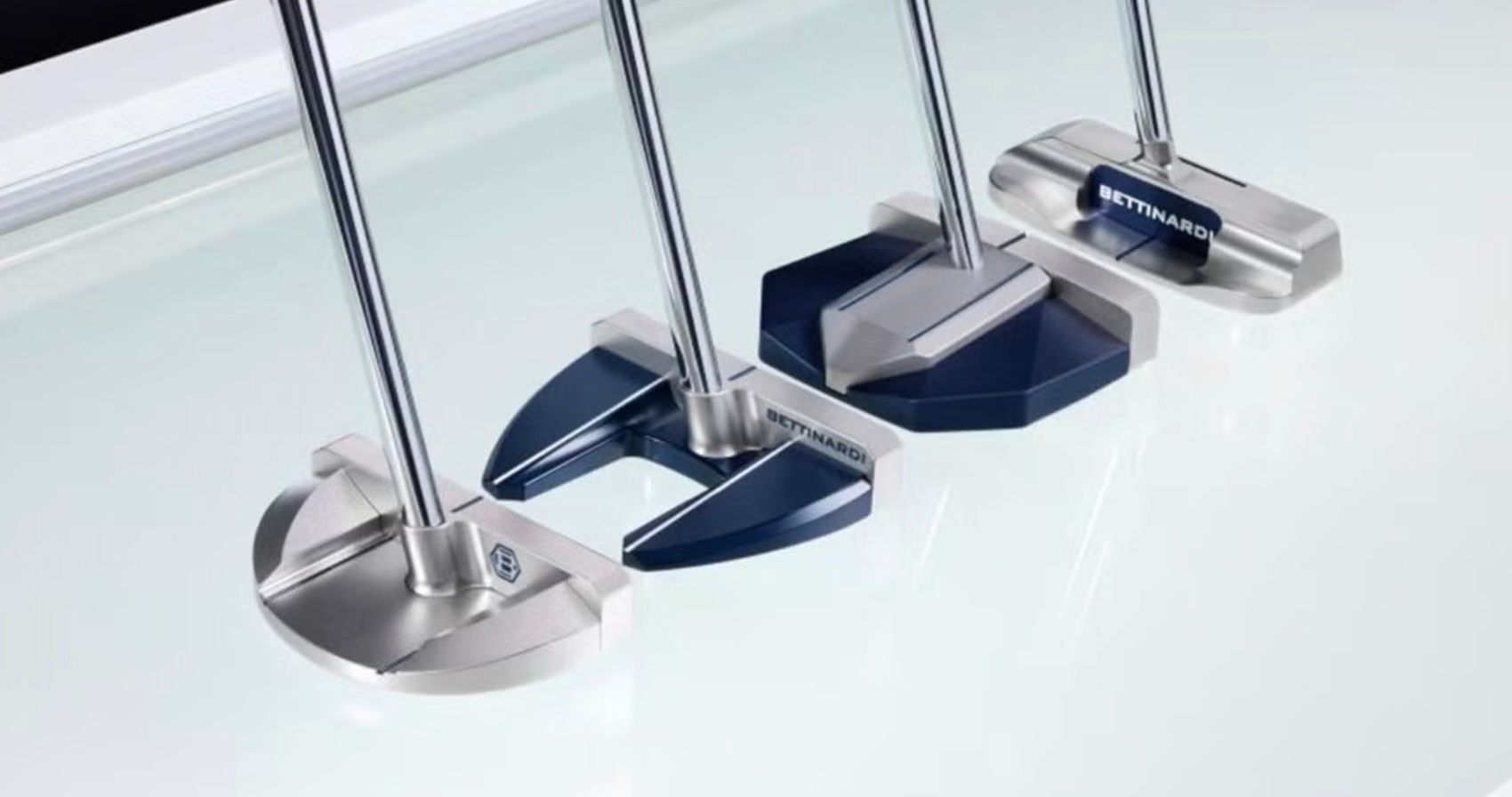
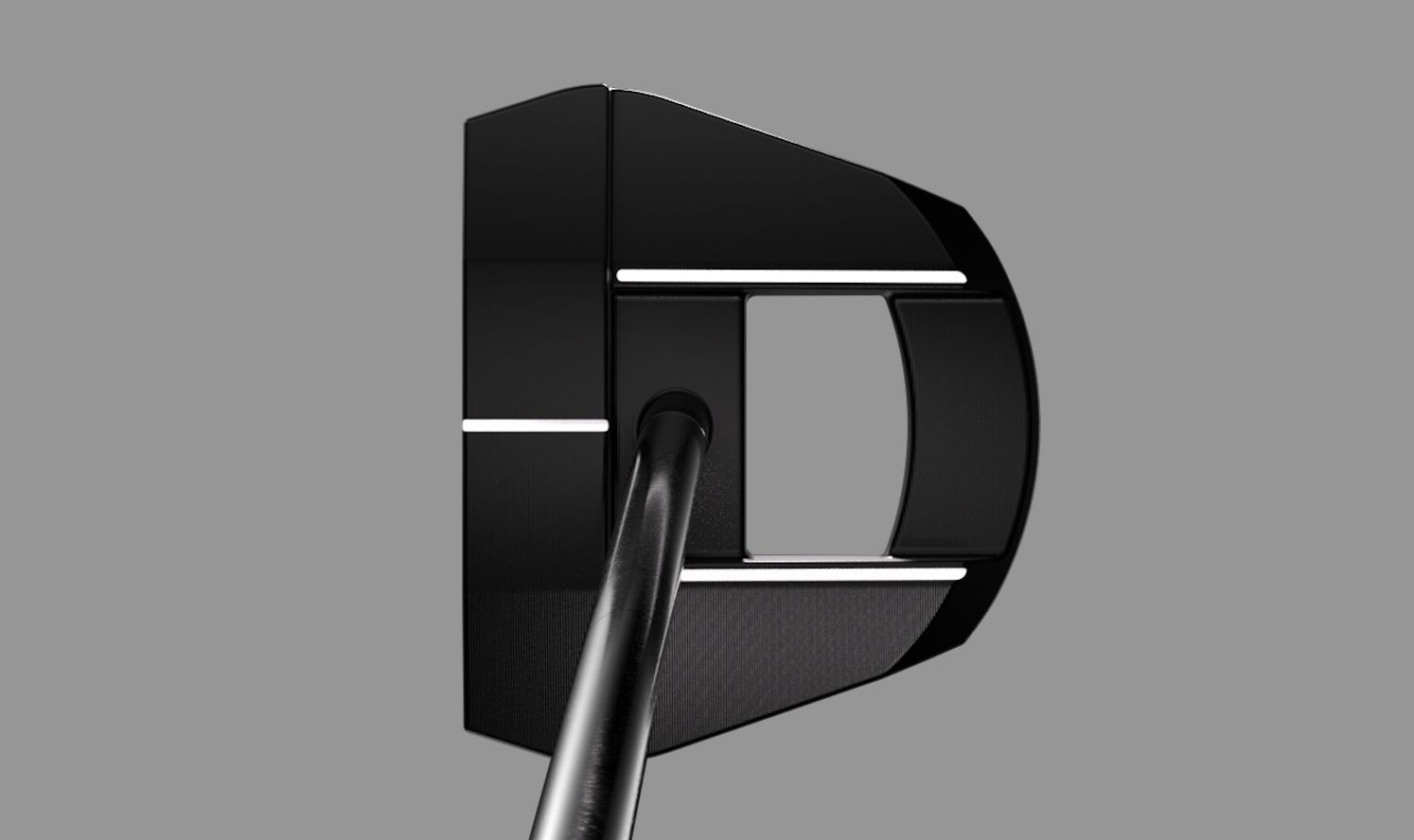
From a design perspective, the shaft axis of a zero-torque putter is aligned just slightly above the putter head's center of gravity, which allows the putter to sit toe-up when resting on the shaft. This balance is why you see so many zero-torque putters with larger heads and the shaft sitting farther back from the clubface, versus many traditional putters where the shaft sits in front.
Who Fits The Zero-Torque Fitting Profile?
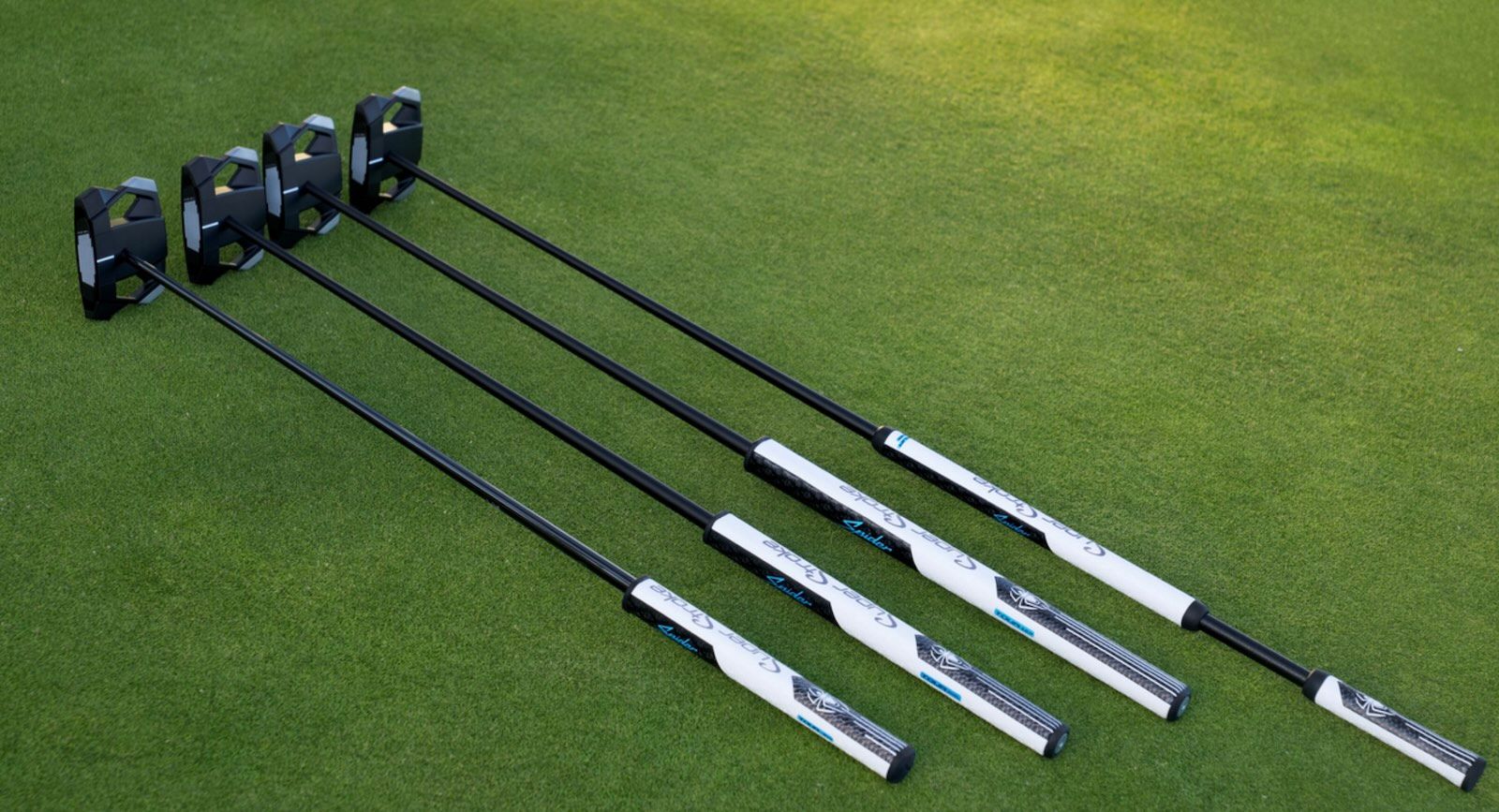
Here's where things get interesting because, unlike traditional putters, which are meant to fit different stroke types, zero-torque putters are (in theory) designed to fit everybody.
The issue is they don't work for everybody based on the simple fact that everybody's release pattern is different.
This is no different than fitting for any other club because, at some point you open and close the clubface relative to the target line because it is rotating around your body, and different players are going to have different release patterns.
Some players straight back - straight through, or on a very slight arc, while others create a lot of arc. If you are someone who prefers to feel the club face open and close, going to a zero-torque putter might cause you to lose the sensation of understanding where the putter face is at impact and cause larger inconsistencies.
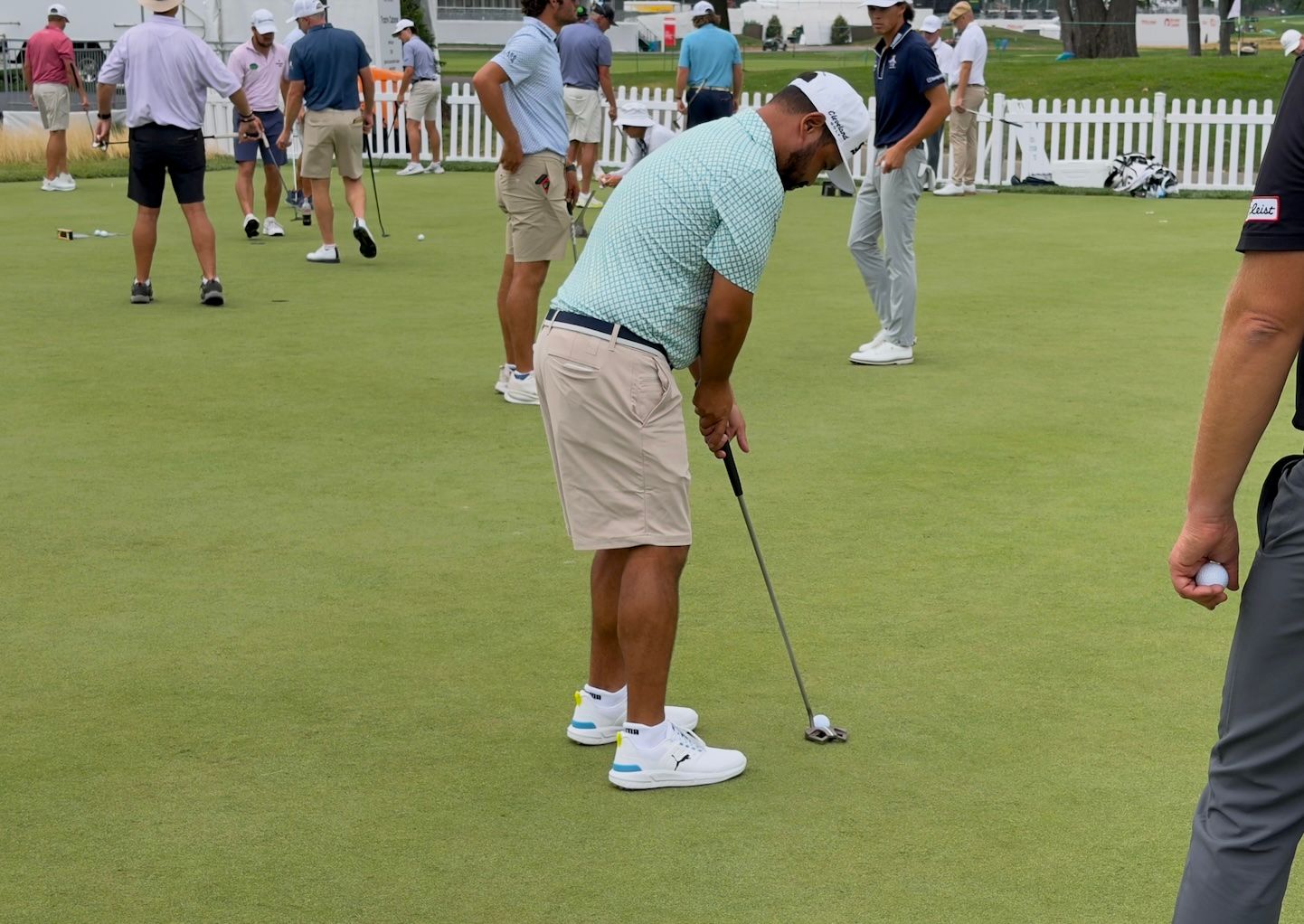
Huge problems come when something is being sold as a fix-all for almost every putting stroke. In reality, that means for a lot of players, it's going to be a terrible option. And again, if you prefer the feel of the putter face closing and opening, what you're actually feeling is a putter with a center of gravity located like most traditional putters, further away from the shaft axis. So you feel the resistance of it wanting to open and close, which actually allows you to time up your putting stroke better.
If you lose that feeling, the timing is completely gone and the next thing you know, you lose all control of the club face.
It's Not All Bad
To be clear, this doesn't mean zero-torque putters are bad. For the right golfer, they can be incredibly stable and easy to aim. And there's another factor that's easy to overlook: many zero-torque designs are larger mallets, and larger mallets can simply be easier to align. And for a lot of golfers, that's the secret sauce when it comes to putting.
But it is important to understand that, while they are the talk of the town, they're not for everybody. So it's super important to go through the process of getting fit.
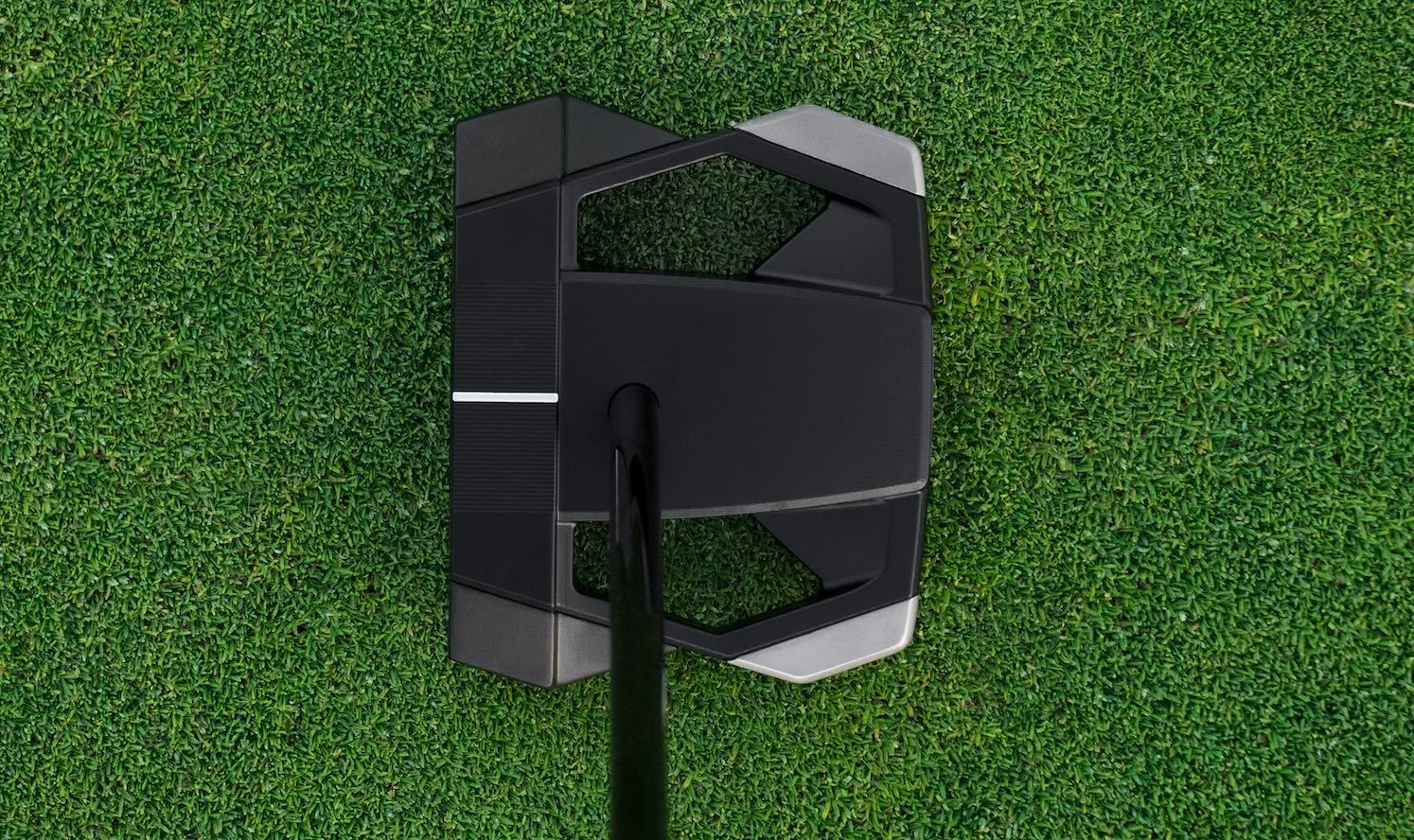
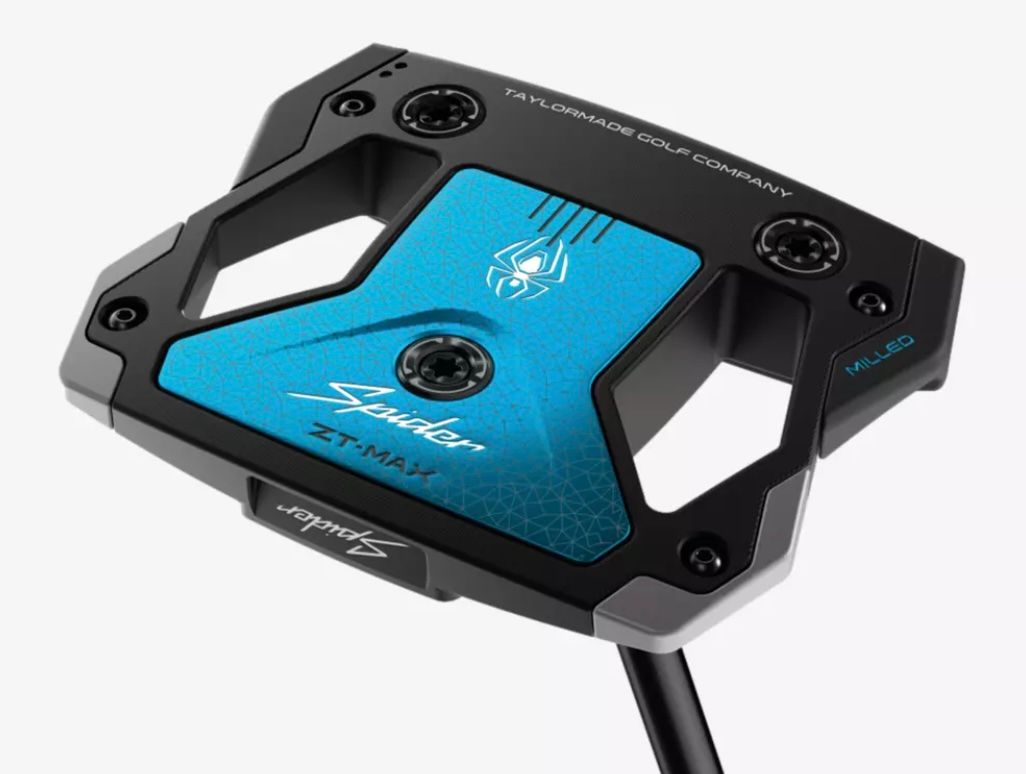
TaylorMade Spider ZT MAX Counterbalance
To maximize MOI, four heavy steel and tungsten corner weights frame a low-density, aerospace-grade aluminum body.
$500
BUY NOWYou Just Gotta Make Putts
So whether you're getting fit for a zero-torque putter or sticking with something more traditional, start with the basics. Can you aim it? Do you understand what the face is doing throughout your stroke? And, most importantly, does the putter give you a sense of control?
Because at the end of the day, there's no magic putter that makes the game easier. If you can aim it, control the face, and start the ball where you want it to go, you're probably going to make more putts.
And that's really the only test that matters.
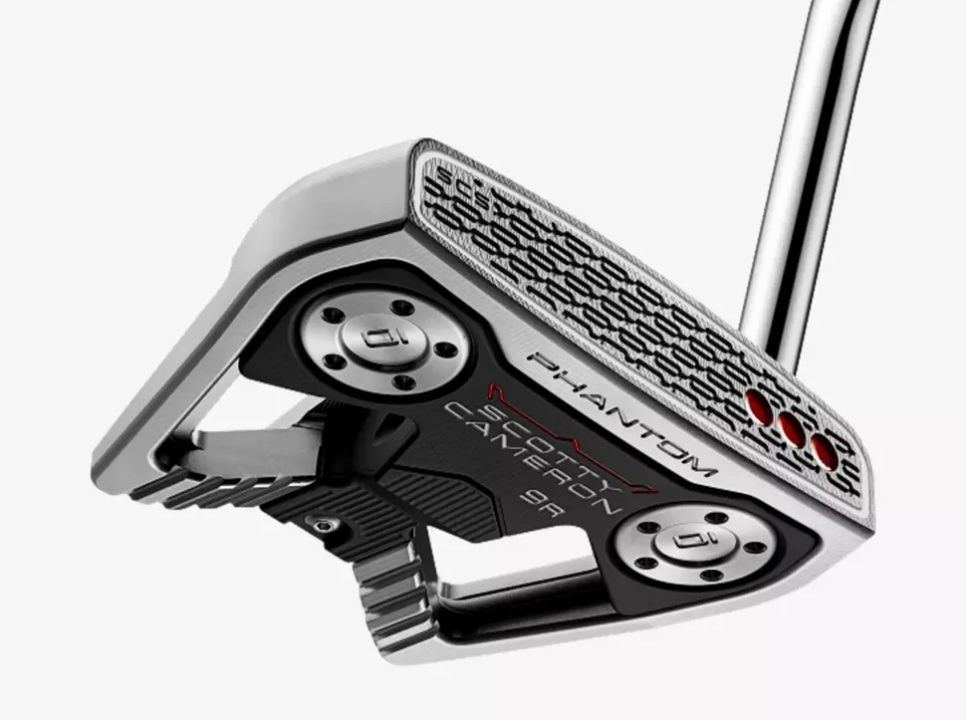
Scotty Cameron 2026 Phantom 9R Putter
For players with minimal arc in their putting stroke, the Phantom 9R delivers a balanced blend of feel, alignment and stability.
$550
BUY NOW
JOIN OUR NEWSLETTER
Get our top stories in your inbox, including the latest drops in style, the need-to-know news in pro golf, and the latest episodes of Skratch’s original series.