Gear & Equipment
4 MIN READ
September 30, 2026
How A Marker Can Completely Change Your Wedge Game
Dial in your approach shots and stop missing greens. All you need is a marker and this simple club-fitting trick.

It's easy to place outside blame for bad shots on all kinds of things: the wind, a noise in your backswing, wearing the wrong socks, but what if a short iron miss really was the fault of your clubs not being set up right for you?
The thing is, it's more common than you might think, and one of the biggest reasons golfers miss greens with short irons and wedges has to do with lie angle and having the right one that fits your game.

The best part is, when it comes to golf clubs, adjusting lie angle is like one of the easiest and quickest ways to dial in dispersion, and with one simple trick, you can check where you're at with just a marker!
Understanding Lie Angle
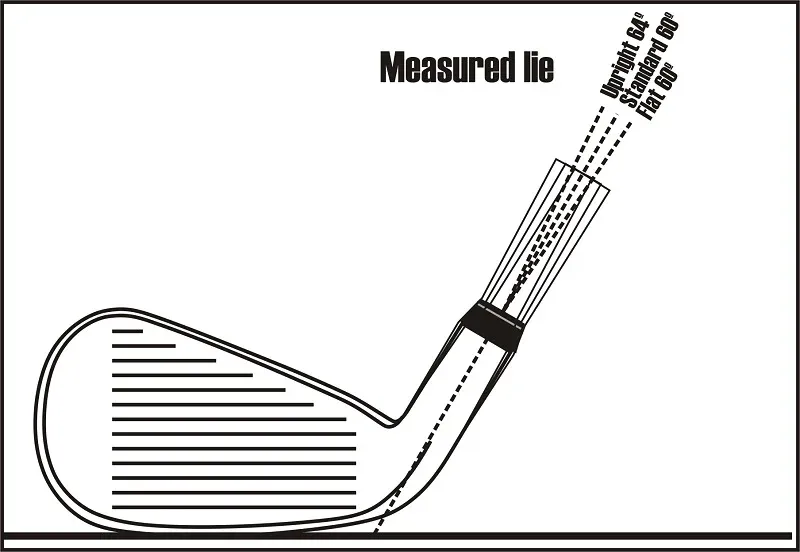
A golf club's lie angle is the angle formed by the hosel and shaft axis relative to the ground when the clubs is soled and grooves are parallel to the ground plane. The higher the lie angle, the more upright a club is, and the lower the number, the flatter it is relative to industry standard.
**NOTE: There is no true standard lie angle, and the stock numbers vary between brands and even between models so it's always better to reference the actual measured value vs. simple upright or flat comparisons.**
When a lie angle is calibrated incorrectly for the player, shots will routinely miss the target, and it also becomes more difficult to make solid contact.
If clubs are too flat, shots will generally miss to the right (for a right-handed player) because the toe of the club hits the ground first and causes the club to stay open. On the opposite side, when clubs are too upright, the heel catches and the face points to the left of the target line resulting in shots missed to the left.
DIY: Check Your Lie Angles
First and foremost, one of the best ways to understand if your lie angles are right for you is by observing and making notes on your ball flight on the course. You can go a step further at the range by making notes about where your golf balls finish relative to a target, and take those notes to a fitter.
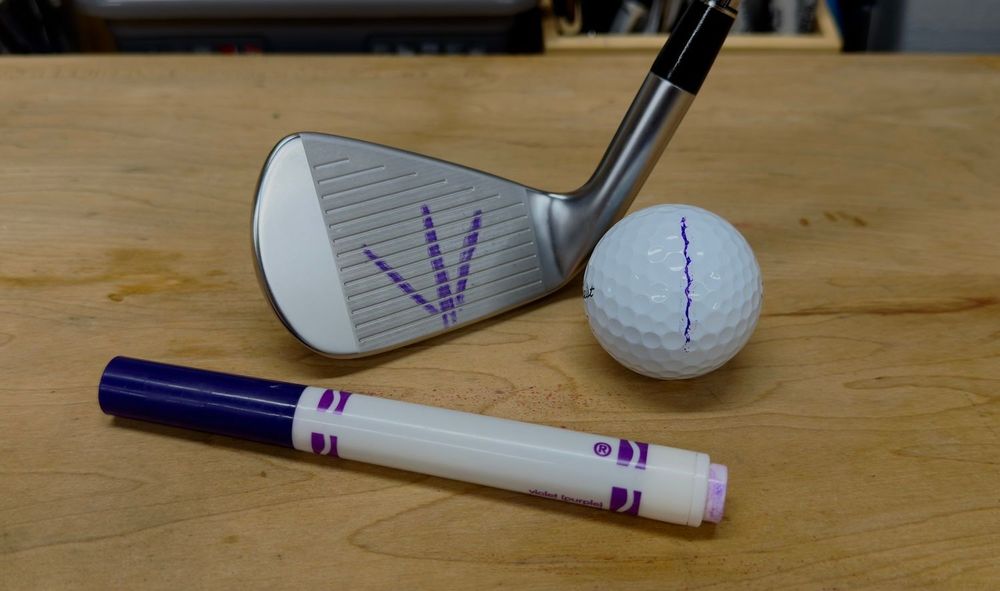
Or you can just use a marker (dry-erase or Crayola works best because they're easy to clean).
Here's how it works.
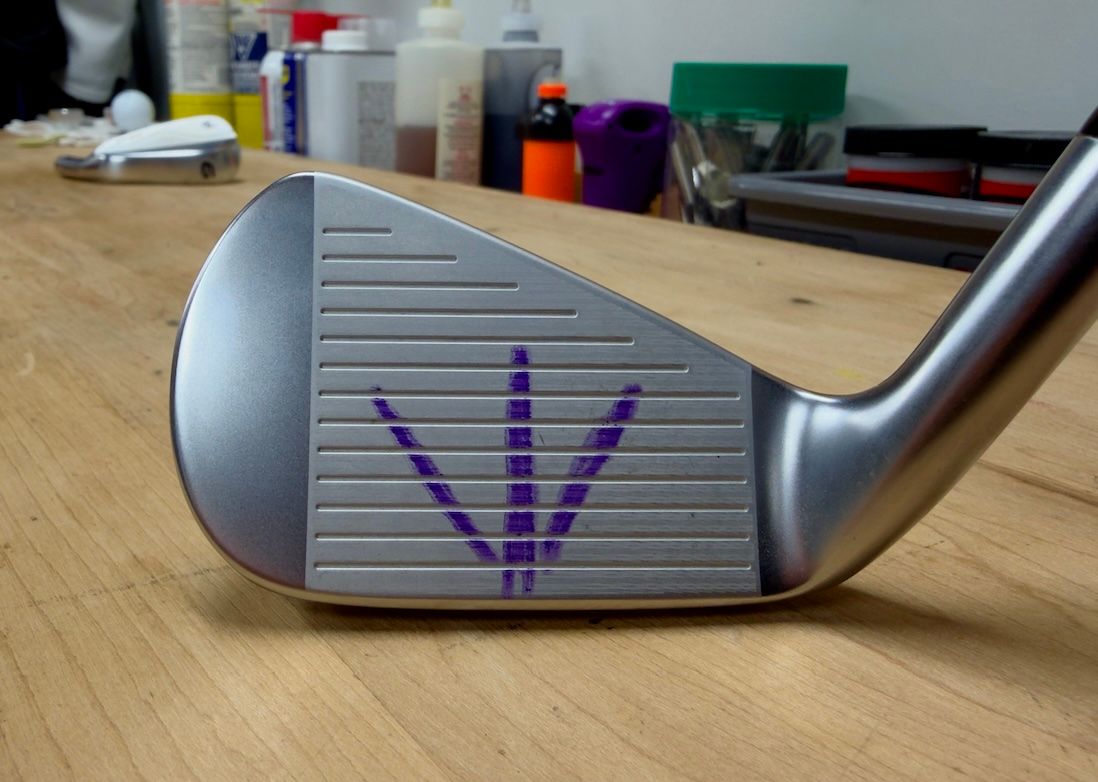
Using said marker, draw a 1-inch line on a golf ball and place it facing your target – in the same fashion you would line up a putt but with the marker on the back side of the ball.
The obvious next step is to hit a shot and then check out the marker line - this is where the real info lives.
If the ball goes where you want and the marker line left on the face is perpendicular to the grooves or within a few degrees either way, you're all set. But if they point more than a few degrees away from perpendicular, then it might be time to make some adjustments.
If the line is angled more toward the toe, the lie angle is too upright and needs to be adjusted flatter. If the line is angled more toward the heel, it means the lie angle is too flat and needs to be adjusted upright.
Simply repeat this process with other clubs or use the single club baseline to work with a fitter to get the rest of your set adjusted accordingly. This way you can go back to blaming the wind and your socks, because it won't be your clubs anymore.

JOIN OUR NEWSLETTER
Get our top stories in your inbox, including the latest drops in style, the need-to-know news in pro golf, and the latest episodes of Skratch’s original series.